
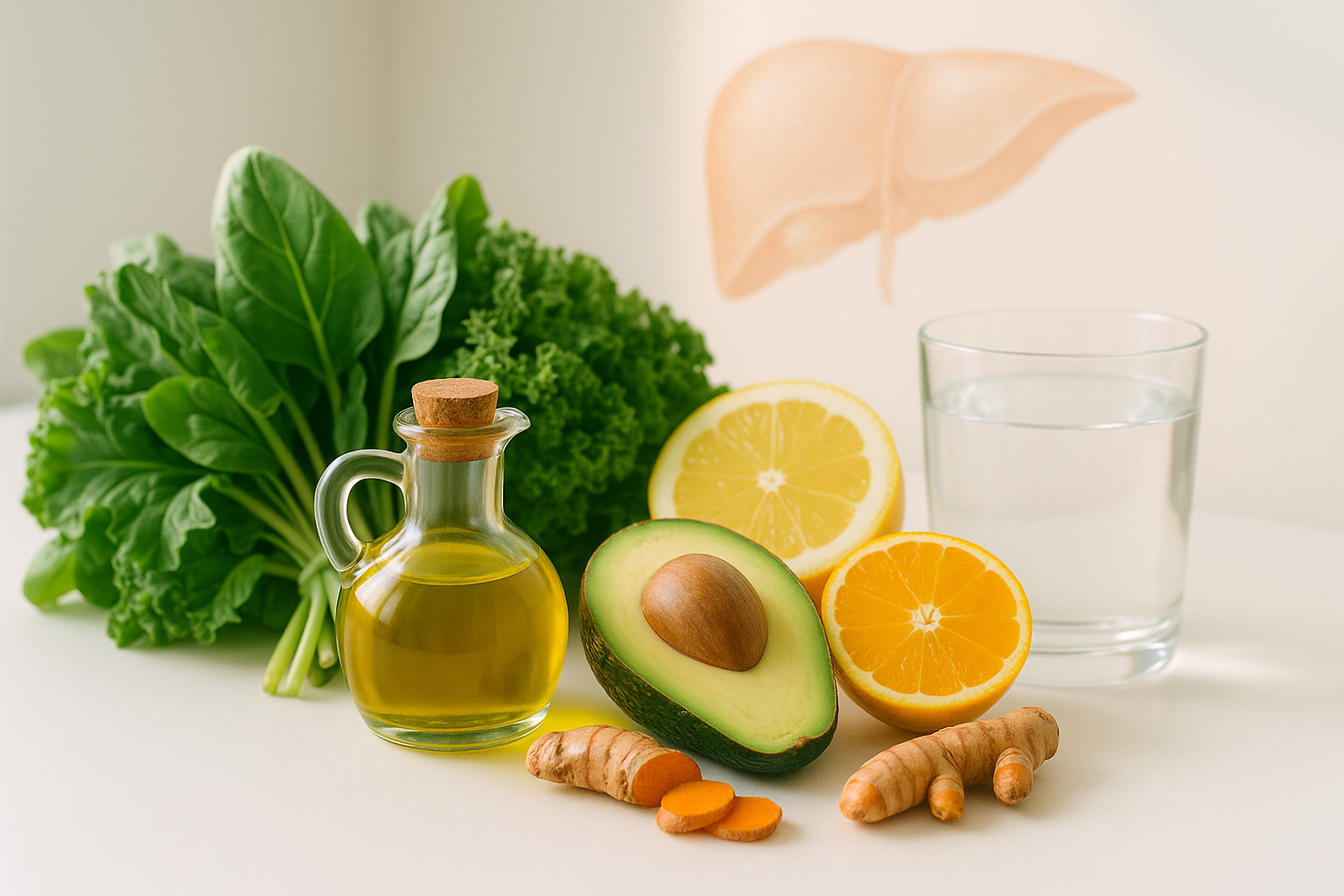
Natural Liver Support Strategies for Detoxification and Daily Wellness
Natural Liver Support Strategies for Detoxification and Daily Wellness
The liver is one of the body’s most important metabolic organs. It helps process nutrients, produces bile for fat digestion, stores glycogen, regulates cholesterol, breaks down hormones, and metabolizes alcohol, medications, and environmental compounds. Because of this, natural liver support should focus on reducing avoidable strain while strengthening the everyday foundations of health.
A key point: your liver does not need extreme cleanses to detoxify. It already performs detoxification continuously. The most useful approach is to support normal liver function with consistent nutrition, hydration, sleep, movement, and medical screening when appropriate.
What natural liver support really means
Natural liver support means adopting habits that help maintain healthy liver function and reduce risk factors linked with liver stress, such as excess alcohol intake, unmanaged blood sugar, obesity, viral hepatitis exposure, and unnecessary supplement or medication burden.
Rather than relying on aggressive detox programs, focus on the basics:
- Eat a nutrient-dense diet rich in plants, protein, fiber, and healthy fats.
- Limit alcohol or avoid it entirely if advised by your clinician.
- Maintain a healthy weight and waist circumference.
- Move regularly to support insulin sensitivity and metabolic health.
- Use medications and supplements safely.
- Get evaluated for liver symptoms or abnormal lab results.
1. Build meals around liver-supportive whole foods
A liver-friendly eating pattern does not require rare ingredients. It is usually built from simple whole foods eaten consistently.

Helpful choices include:
- Vegetables, especially leafy greens, cruciferous vegetables, peppers, carrots, and beets.
- Fruits, especially berries, citrus, apples, and other fiber-rich options.
- High-fiber carbohydrates such as oats, beans, lentils, quinoa, and minimally processed whole grains.
- Lean and high-quality proteins such as fish, poultry, eggs, tofu, tempeh, Greek yogurt, beans, and lentils.
- Healthy fats from olive oil, avocado, nuts, seeds, and fatty fish.
- Herbs and spices such as turmeric, ginger, garlic, rosemary, and parsley as part of a balanced diet.
The Mediterranean-style diet is often used as a practical model because it emphasizes vegetables, legumes, whole grains, fish, olive oil, nuts, and limited ultra-processed foods.
2. Prioritize fiber for metabolic and digestive support
Fiber supports regular bowel movements, helps regulate cholesterol, and improves post-meal blood sugar response. These benefits matter because liver health is closely connected with metabolic health.
Good fiber sources include beans, lentils, oats, chia seeds, flaxseed, berries, vegetables, and whole grains. Increase fiber gradually and drink enough water to reduce bloating or digestive discomfort.
3. Limit alcohol to reduce liver strain
Alcohol is one of the most important modifiable factors for liver wellness. The liver metabolizes alcohol, and heavy or repeated intake can contribute to fatty liver, inflammation, fibrosis, cirrhosis, and other serious conditions.
If you already have liver disease, elevated liver enzymes, a history of alcohol use disorder, are pregnant, or take medications that interact with alcohol, the safest choice may be complete avoidance. Ask your healthcare professional what is appropriate for your situation.
4. Support healthy blood sugar and insulin sensitivity
The liver plays a central role in storing and releasing glucose. Insulin resistance and elevated blood sugar are closely linked with fatty liver risk.
Daily strategies that support glucose balance include:
- Pair carbohydrates with protein, fiber, or healthy fat.
- Choose minimally processed carbohydrates most often.
- Walk for 10 to 20 minutes after meals when possible.
- Strength train 2 to 3 times per week.
- Avoid frequent sugar-sweetened beverages.
- Get enough sleep, since poor sleep can worsen metabolic health.
5. Stay hydrated, but skip extreme detox drinks
Water supports circulation, digestion, kidney function, and overall metabolic processes. However, lemon water, green juices, and detox teas do not magically cleanse the liver. Some detox teas and weight-loss products may even contain herbs or stimulants that can irritate the liver or interact with medications.
A practical hydration goal is pale-yellow urine most of the day, adjusting for exercise, climate, pregnancy, breastfeeding, and medical conditions that affect fluid needs.
6. Move daily for liver and metabolic wellness
Physical activity helps reduce visceral fat, improve insulin sensitivity, support cardiovascular health, and maintain a healthy weight. These benefits indirectly support the liver.
A balanced weekly plan may include:
- Brisk walking, cycling, swimming, or other moderate cardio.
- Resistance training for major muscle groups.
- Gentle mobility or stretching.
- Short movement breaks if you sit for long periods.
You do not need perfection. Consistency matters more than intensity, especially when starting.
7. Be cautious with supplements marketed for liver detox
Many products marketed for natural liver support use herbs such as milk thistle, turmeric, dandelion, artichoke, or N-acetylcysteine. Some have promising research in specific contexts, but supplement quality, dose, interactions, and individual safety vary widely.
Important safety tips:
- Do not combine multiple liver detox products.
- Avoid high-dose supplements without clinician guidance.
- Check for medication interactions, especially with blood thinners, diabetes medications, seizure medications, transplant medications, or chemotherapy.
- Stop any supplement and seek medical care if you develop yellow skin or eyes, dark urine, severe fatigue, abdominal pain, persistent nausea, or itching.
- Choose third-party tested supplements when appropriate.
Natural does not always mean safe. Some herbs and concentrated extracts have been linked with liver injury.
8. Protect your liver from infections and toxins
Liver support also includes prevention. Viral hepatitis, unsafe injections, contaminated needles, and certain exposures can harm the liver.
Consider these protective steps:
- Ask your clinician whether hepatitis A or hepatitis B vaccination is appropriate.
- Avoid sharing needles, razors, or toothbrushes.
- Use safer sex practices when relevant.
- Follow workplace safety guidelines for chemicals and solvents.
- Take acetaminophen and other medications only as directed.
- Tell your clinician about all supplements and over-the-counter products you use.
9. Know when to seek medical evaluation
Liver problems may be silent until advanced stages. Medical testing is important if you have risk factors or symptoms.
Seek professional care if you notice:
- Yellowing of the skin or eyes.
- Dark urine or pale stools.
- Swelling in the abdomen or legs.
- Persistent nausea, vomiting, or loss of appetite.
- Unexplained fatigue or weakness.
- Easy bruising or bleeding.
- Pain or pressure in the upper right abdomen.
- Unexplained abnormal liver enzyme results.
Routine blood tests, imaging, and risk assessment can help identify issues earlier.
A simple daily natural liver support routine
Here is a realistic daily framework:
Morning: Start with water, a protein-rich breakfast, and fiber from fruit, oats, vegetables, or whole grains.
Midday: Eat a balanced lunch with vegetables, protein, healthy fat, and high-fiber carbohydrates. Take a short walk if possible.
Evening: Choose a minimally processed dinner, limit alcohol, and avoid late-night overeating when it disrupts sleep or digestion.
Weekly: Include strength training, cardio, meal planning, and time outdoors. Review supplements and medications for necessity and safety.
Periodically: Discuss liver health screening with your clinician if you have risk factors such as diabetes, obesity, heavy alcohol use, hepatitis exposure, or a family history of liver disease.
Bottom line
The best natural liver support is not a harsh cleanse. It is a sustainable lifestyle that reduces liver burden and supports metabolic resilience. Focus on whole foods, fiber, healthy weight, regular movement, alcohol moderation, safe supplement use, and timely medical care. These habits help your liver perform its essential detoxification and wellness roles every day.
References
National Institute of Diabetes and Digestive and Kidney Diseases: Liver Disease