
Best Foods That Naturally Support Liver Health and Detox Pathways
Best Foods That Naturally Support Liver Health and Detox Pathways
The liver is one of the body’s most important metabolic organs. It helps process carbohydrates, fats, and proteins; produces bile for fat digestion; stores key nutrients; and transforms many compounds so they can be safely used or eliminated. Because of this, the best way to support liver health is not through extreme cleanses, but through everyday foods that reduce metabolic stress and provide the nutrients the liver needs to function well.
What liver-supportive eating really means
Liver-supportive eating focuses on steady, evidence-informed habits: plenty of plant foods, adequate protein, unsaturated fats, limited added sugar, minimal alcohol, and a healthy overall calorie balance. These choices may help support healthy liver enzymes, reduce fat buildup in the liver, improve insulin sensitivity, and provide antioxidant compounds that protect cells from oxidative stress.
1. Coffee
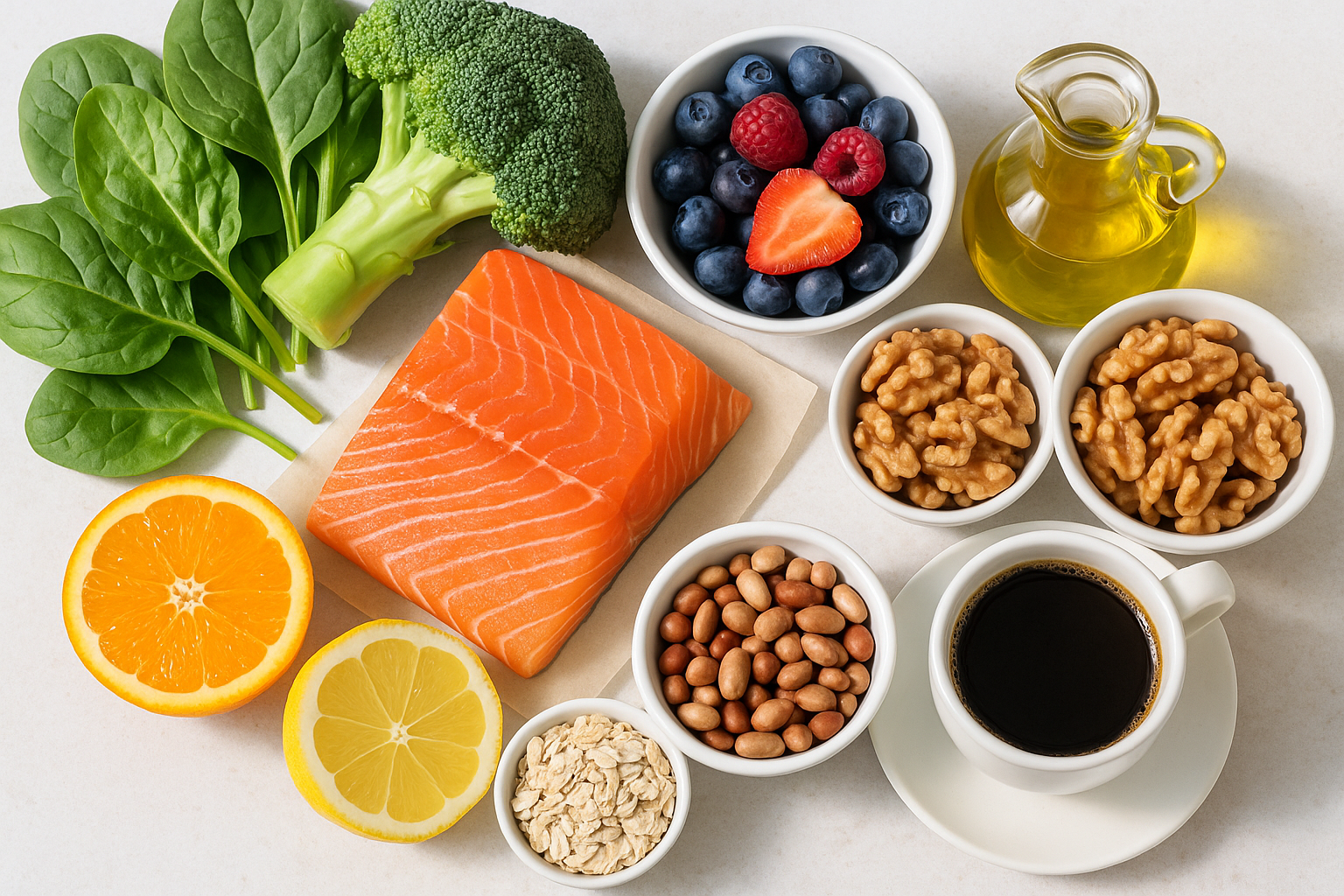
Coffee is one of the most studied beverages in relation to liver health. Regular coffee intake has been associated in observational research with lower risk of fatty liver progression, fibrosis, cirrhosis, and some liver-related complications. Coffee contains bioactive compounds, including chlorogenic acids and diterpenes, that may influence inflammation, oxidative stress, and liver enzyme activity.
Choose unsweetened coffee when possible. Loading coffee with sugar syrups and heavy cream can undermine its benefits, especially for people managing fatty liver risk, insulin resistance, or weight concerns.
2. Cruciferous vegetables
Broccoli, Brussels sprouts, cauliflower, cabbage, kale, bok choy, and arugula contain glucosinolates and other sulfur-containing compounds that support normal detoxification enzyme systems. These vegetables also provide fiber, vitamin C, folate, and phytonutrients.

For practical use, aim to include cruciferous vegetables several times per week. They can be roasted with olive oil, added to soups, blended into slaws, or sautéed with garlic and lemon.
3. Leafy greens
Spinach, Swiss chard, collard greens, romaine, mustard greens, and beet greens are rich in folate, magnesium, potassium, vitamin K, and plant antioxidants. Leafy greens also contribute dietary nitrates and fiber, which can support vascular and metabolic health.
Because liver health is closely connected to blood sugar regulation and cardiovascular health, greens are a smart daily foundation food.
4. Berries and deeply colored fruits
Blueberries, raspberries, strawberries, blackberries, cherries, and pomegranate provide polyphenols that help defend cells against oxidative stress. They also offer fiber with less sugar than many fruit juices or sweetened snacks.
Whole fruit is usually a better choice than juice because it contains fiber and is more filling. If you are watching blood sugar or triglycerides, pair fruit with protein or healthy fat, such as Greek yogurt, nuts, or chia seeds.
5. Fatty fish rich in omega-3 fats
Salmon, sardines, trout, anchovies, and mackerel provide omega-3 fatty acids, particularly EPA and DHA. These fats support healthy triglyceride levels and help balance inflammatory pathways. Since elevated triglycerides and insulin resistance often overlap with fatty liver risk, replacing some processed meats or fried foods with omega-3-rich fish can be a liver-smart move.
A common goal is to eat fish twice per week, choosing baked, grilled, or poached options instead of deep-fried preparations.
6. Extra virgin olive oil
Extra virgin olive oil is rich in monounsaturated fat and polyphenols. It is a core part of Mediterranean-style eating patterns, which are often recommended for metabolic health and fatty liver risk reduction.
Use olive oil in place of butter, shortening, or highly processed dressings. It works well for salad dressings, roasted vegetables, bean dishes, and moderate-heat cooking.
7. Nuts and seeds
Walnuts, almonds, pistachios, chia seeds, flaxseeds, pumpkin seeds, and hemp seeds provide unsaturated fats, fiber, magnesium, vitamin E, and plant protein. These nutrients support blood sugar control, satiety, and heart-liver metabolic health.
Portion size matters because nuts and seeds are calorie-dense. A small handful of nuts or one to two tablespoons of seeds can be enough for a meal or snack.
8. Beans, lentils, and peas
Legumes are excellent for liver-supportive eating because they combine plant protein, soluble fiber, resistant starch, minerals, and slow-digesting carbohydrates. They can help replace refined starches and processed meats, both of which are less favorable for metabolic health.
Try lentil soup, black bean bowls, chickpea salads, hummus, split pea soup, or white beans with greens and olive oil.
9. Whole grains
Oats, barley, quinoa, brown rice, buckwheat, and 100 percent whole-grain breads provide fiber and micronutrients that support healthy digestion and blood sugar control. Oats and barley are especially notable for beta-glucan, a soluble fiber linked with cholesterol and metabolic benefits.
Choose whole grains over refined grains most of the time. Refined carbohydrates and added sugars can contribute to excess liver fat when eaten frequently in large amounts.
10. Fermented and probiotic-rich foods
Plain yogurt with live cultures, kefir, sauerkraut, kimchi, tempeh, and miso may support the gut microbiome. The gut and liver are connected through the portal circulation, meaning compounds absorbed from the digestive tract travel directly to the liver. A fiber-rich diet with fermented foods can help support a healthier gut-liver relationship.
Choose lower-sugar fermented dairy products and watch sodium intake with fermented vegetables.
11. Eggs and choline-rich foods
Choline is an essential nutrient involved in fat transport and normal liver function. Eggs are one of the richest common food sources of choline. Other sources include fish, poultry, soybeans, beans, and some cruciferous vegetables.
People with specific cholesterol concerns should ask their clinician how eggs fit into their personal diet, but for many people, eggs can be part of a balanced liver-supportive eating pattern.
12. Garlic, onions, herbs, and spices
Garlic, onions, turmeric, ginger, rosemary, parsley, cilantro, and other herbs and spices add flavor while contributing plant compounds with antioxidant and anti-inflammatory properties. They can also help reduce reliance on excess salt, sugar, and heavy sauces.
Use these foods as part of a broader pattern rather than as a medicinal replacement for care.
Foods and drinks to limit for liver health
Supporting liver health is not only about what you add; it is also about what you reduce. Limit or avoid alcohol, especially if you have fatty liver disease, hepatitis, cirrhosis, elevated liver enzymes, or take medications that stress the liver. Also reduce sugar-sweetened beverages, frequent desserts, refined grains, deep-fried foods, highly processed snacks, and processed meats.
For many people, the most important liver-supportive step is reducing added sugar and excess calories while increasing fiber and protein quality.
A simple liver-supportive plate
Build meals around half a plate of non-starchy vegetables, one quarter high-quality protein, and one quarter high-fiber carbohydrates such as beans, lentils, or whole grains. Add a small amount of healthy fat such as olive oil, avocado, nuts, or seeds. Finish with water, unsweetened tea, or black coffee instead of sugary drinks.
Bottom line
The best foods that support liver health are everyday whole foods: coffee, cruciferous vegetables, leafy greens, berries, fatty fish, olive oil, nuts, seeds, legumes, whole grains, fermented foods, and choline-rich options like eggs. These foods do not perform a quick detox, but they can support the liver’s normal detox pathways, reduce metabolic strain, and promote long-term health when eaten consistently as part of a balanced lifestyle.