
Anti Inflammatory Herbs and How They May Support Whole Body Wellness
Anti Inflammatory Herbs and How They May Support Whole Body Wellness
Inflammation is part of the body’s normal defense and repair system. Short term inflammation can help the body respond to injury or infection. Ongoing inflammation, however, may be influenced by factors such as diet quality, sleep, stress, activity level, smoking, alcohol intake, and certain medical conditions.
Anti inflammatory herbs are often discussed because many contain plant compounds such as polyphenols, flavonoids, sulfur compounds, and essential oils. These compounds are being studied for how they may influence oxidative stress, immune signaling, digestion, and metabolic health.
What Are Anti Inflammatory Herbs?
Anti inflammatory herbs are culinary or medicinal plants that may help support a balanced inflammatory response. They are commonly used as teas, spices, extracts, capsules, tinctures, or fresh ingredients in food.
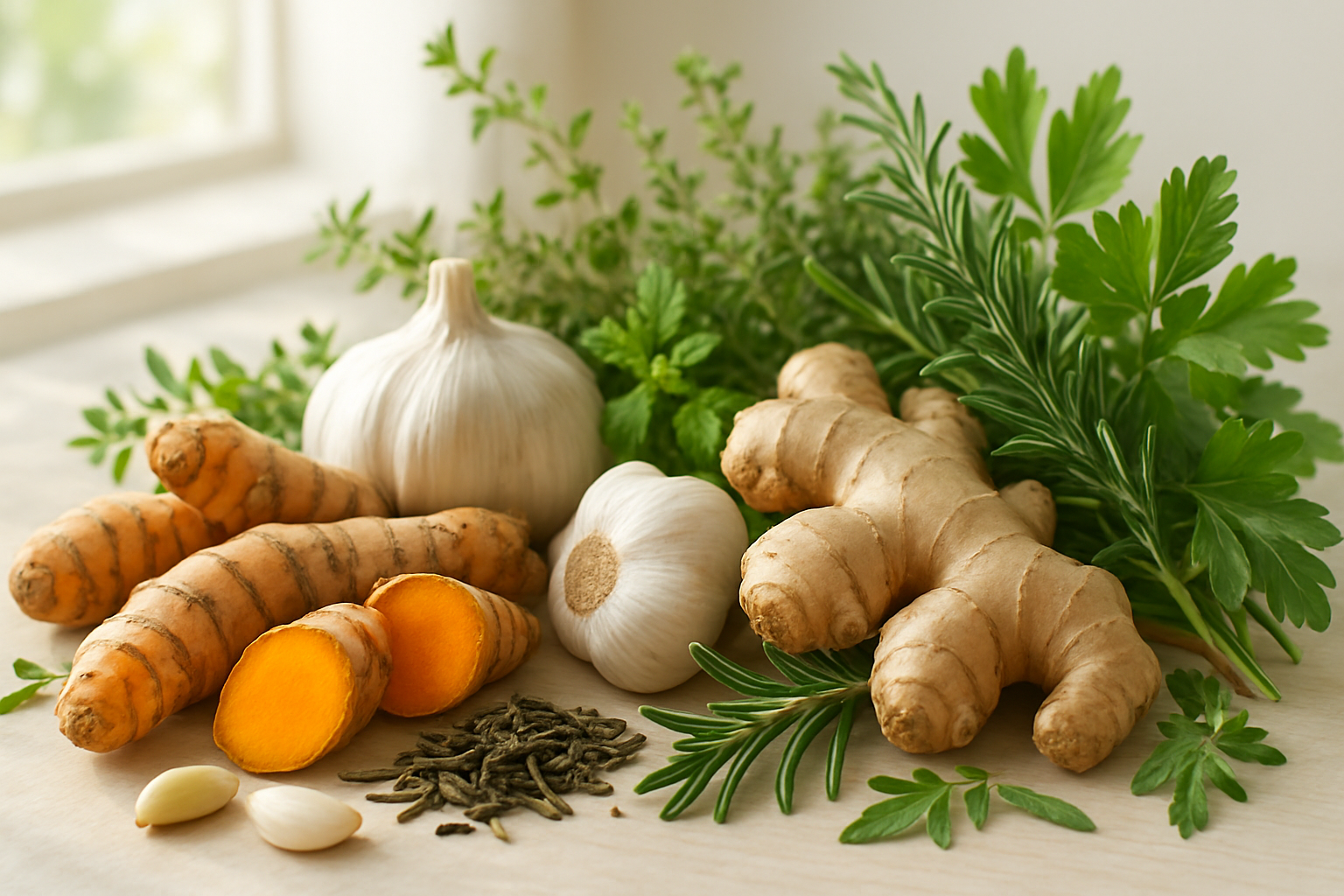
Common examples include turmeric, ginger, garlic, green tea, rosemary, cinnamon, holy basil, and cloves. The strength of evidence varies by herb, preparation, dose, and health goal.
Turmeric
Turmeric contains curcumin, a bright yellow compound studied for its antioxidant and anti inflammatory properties. It is commonly used in curries, soups, golden milk, and supplements.

Curcumin is not absorbed easily on its own. Some formulations include black pepper extract or specialized delivery systems to improve absorption. However, higher dose turmeric or curcumin supplements may not be appropriate for everyone, especially people taking blood thinners or those with gallbladder concerns.
Ginger
Ginger is widely used for digestive comfort and has been studied for nausea, joint comfort, and inflammatory pathways. It contains compounds such as gingerols and shogaols.
Fresh ginger can be grated into tea, stir fries, broths, smoothies, or dressings. Concentrated ginger supplements may interact with certain medications or increase bleeding risk in some people, so professional guidance is important if using therapeutic doses.
Garlic
Garlic contains sulfur based compounds that may support cardiovascular wellness and immune function. It is often used as a daily culinary herb in soups, sauces, roasted vegetables, and marinades.
Garlic supplements can be more concentrated than food amounts. They may interact with blood thinning medicines and may cause digestive upset or reflux in some people.
Green Tea
Green tea is rich in catechins, especially EGCG, which is studied for antioxidant activity and metabolic health. It is a simple daily beverage that may fit well into an overall anti inflammatory eating pattern.
People sensitive to caffeine may prefer decaffeinated green tea. Concentrated green tea extracts should be used carefully because high doses have been linked to liver concerns in rare cases.
Rosemary
Rosemary contains rosmarinic acid and other aromatic compounds that may support antioxidant defenses. It is easy to use in roasted vegetables, poultry, fish, beans, potatoes, and infused olive oil.
Culinary use is generally different from concentrated rosemary oils or extracts. Essential oils should not be swallowed unless directed by a qualified professional.
How Anti Inflammatory Herbs May Support Whole Body Wellness
Herbs may support wellness in several complementary ways. They can add antioxidant rich compounds to meals, help replace excess salt or sugar with flavor, support digestive variety, and encourage a more plant forward eating pattern.
Their benefits are usually strongest when paired with other healthy habits, including regular movement, adequate sleep, stress management, balanced meals, hydration, and not smoking.
Practical Ways to Use Them
Try adding turmeric and ginger to soups, rice dishes, smoothies, or warm tea. Use garlic and rosemary to season vegetables, beans, lentils, fish, or lean proteins. Swap sugary drinks for unsweetened green tea. Add cinnamon or cloves to oatmeal, yogurt, or baked fruit.
Start with culinary amounts before considering supplements. Food based use is often gentler, easier to personalize, and more sustainable.
Safety Tips
Natural does not always mean risk free. Herbs can interact with prescription medications, over the counter medicines, and supplements. Concentrated extracts may have stronger effects than herbs used in cooking.
Use extra caution if you are pregnant, breastfeeding, preparing for surgery, taking blood thinners, managing liver or kidney disease, or treating a chronic condition. Stop using any herb that causes allergic symptoms, severe digestive upset, rash, dizziness, or other concerning reactions.
Bottom Line
Anti inflammatory herbs can be a flavorful way to support a wellness focused lifestyle. Turmeric, ginger, garlic, green tea, and rosemary are among the most popular options, but they work best as part of a broader foundation that includes nutritious food, movement, sleep, and medical care when needed.