
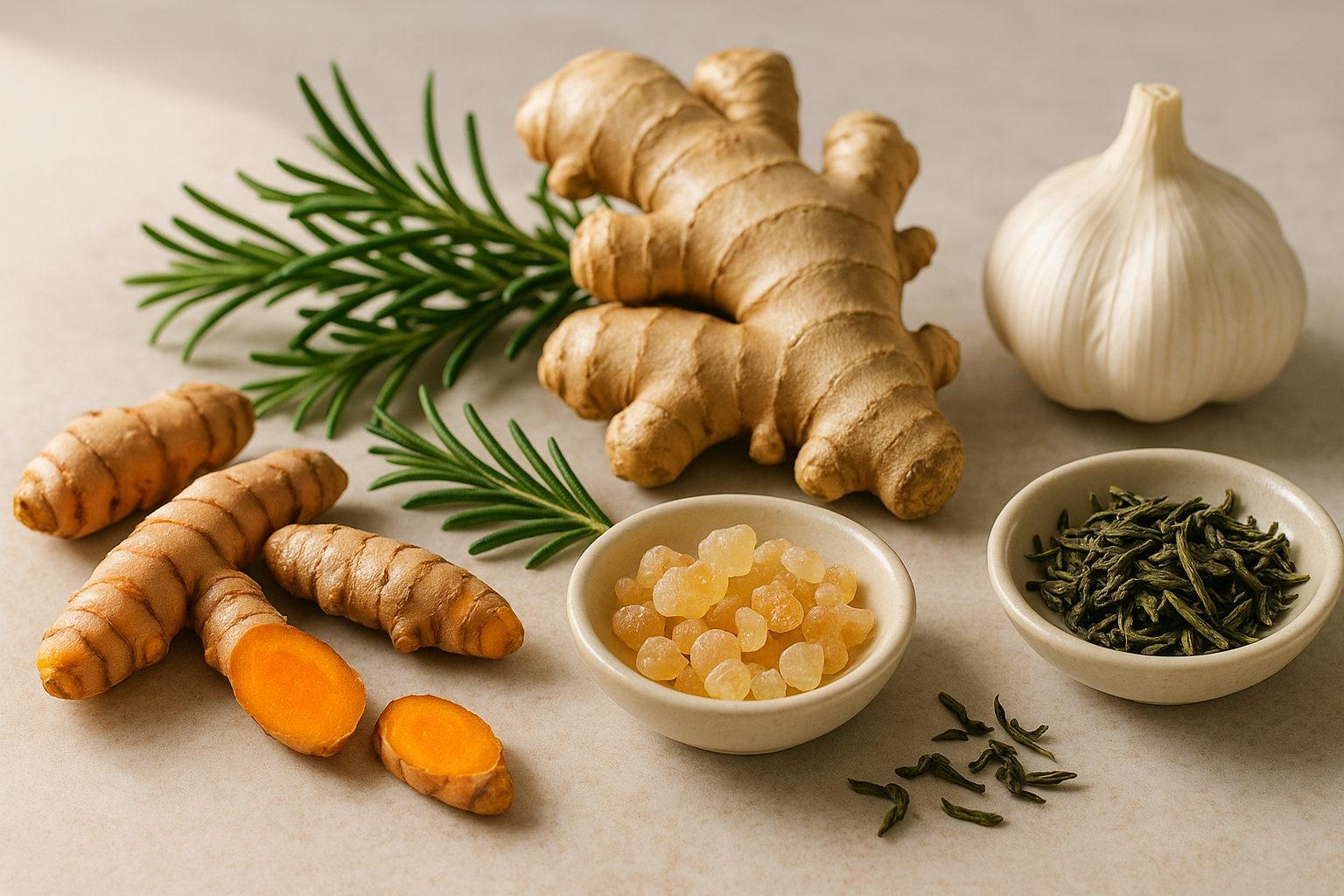
Anti Inflammatory Herbs That May Help Support Whole Body Wellness
Anti Inflammatory Herbs That May Help Support Whole Body Wellness
Inflammation is part of the body’s natural defense system. Short term inflammation helps the body respond to injury or infection, but ongoing inflammation may be linked with many health concerns. While herbs are not a cure or a replacement for medical treatment, some anti inflammatory herbs contain plant compounds that may help support a healthier inflammatory response.
The best results usually come from using herbs as part of an overall wellness plan: a nutrient dense diet, regular physical activity, stress management, enough sleep, and guidance from a healthcare professional when needed.
What Makes an Herb Anti Inflammatory?
Many herbs contain bioactive compounds such as polyphenols, flavonoids, terpenes, and sulfur containing compounds. These natural substances may influence oxidative stress, immune signaling, and inflammatory pathways in the body.
However, the strength of evidence varies. Some herbs have been studied in human clinical trials, while others are supported mainly by traditional use, lab research, or early human studies. Dose, preparation method, health status, and medication use all matter.
1. Turmeric
Turmeric is one of the most widely discussed anti inflammatory herbs. Its main active compound, curcumin, has been studied for its potential role in supporting joint comfort and inflammatory balance.

Turmeric is commonly used in curries, soups, rice dishes, smoothies, and golden milk. Curcumin is not absorbed very well on its own, so many supplement formulas include black pepper extract, also called piperine, to improve absorption.
Safety note: Turmeric supplements may not be appropriate for everyone, especially people taking blood thinners, those with gallbladder disease, or anyone preparing for surgery. Culinary amounts are generally different from concentrated supplements.
2. Ginger
Ginger is a warming root used in food and traditional wellness practices around the world. It contains gingerols and shogaols, compounds studied for antioxidant and anti inflammatory activity.
Ginger may be enjoyed as fresh grated root, tea, stir fry seasoning, soups, or powdered spice. It is also commonly used to support digestive comfort.
Safety note: Ginger may interact with blood thinning medications or affect bleeding risk at high supplemental doses. People with medical conditions should ask a clinician before using concentrated ginger products.
3. Green Tea
Green tea comes from the Camellia sinensis plant and is rich in catechins, especially epigallocatechin gallate, often abbreviated EGCG. These compounds have been studied for antioxidant and inflammation related effects.
Drinking unsweetened green tea can be a simple way to add beneficial plant compounds to the day. It can be enjoyed hot or iced.
Safety note: Green tea contains caffeine unless labeled decaffeinated. Concentrated green tea extracts may carry greater risk than brewed tea and have been associated with liver safety concerns in some cases.
4. Boswellia
Boswellia, also known as Indian frankincense, is a resin from Boswellia trees. It contains boswellic acids, which have been studied for their potential effects on inflammatory pathways.
Boswellia is usually taken as a supplement rather than used as a culinary herb. It is often discussed in relation to joint comfort and mobility support.
Safety note: Because boswellia is typically used in concentrated form, it is best to discuss it with a healthcare professional, especially if you take medications or have chronic health conditions.
5. Rosemary
Rosemary is an aromatic herb used in Mediterranean style cooking. It contains rosmarinic acid, carnosic acid, and other polyphenols that may support antioxidant defenses and inflammatory balance.
Rosemary is easy to add to roasted vegetables, beans, fish, poultry, soups, and olive oil based marinades. Using rosemary in food is a practical way to increase herb diversity without relying on supplements.
Safety note: Culinary use is generally well tolerated for most people, but concentrated rosemary extracts or essential oils should be used cautiously and not taken internally unless directed by a qualified professional.
6. Garlic
Garlic contains sulfur based compounds, including allicin related compounds, that have been studied for cardiovascular and immune related benefits. Garlic may also support a balanced inflammatory response as part of a heart healthy eating pattern.
It can be used in sauces, soups, dressings, roasted vegetables, legumes, and whole grain dishes.
Safety note: Garlic supplements may increase bleeding risk or interact with certain medications. People taking blood thinners or preparing for surgery should seek medical guidance.
How to Use Anti Inflammatory Herbs Safely
Start with food first when possible. Culinary herbs and spices are usually gentler than concentrated supplements and can be used consistently as part of meals.
Use one new herb at a time. This makes it easier to notice benefits or side effects.
Be cautious with supplements. More is not always better, and concentrated extracts can have stronger effects than food amounts.
Check for interactions. Herbs may interact with blood thinners, diabetes medications, blood pressure medications, immune suppressing drugs, and other prescriptions.
Choose reputable products. If using supplements, look for third party testing when available and avoid products with exaggerated disease cure claims.
Whole Body Wellness Tips That Work With Herbs
Anti inflammatory herbs may be most helpful when paired with other evidence informed habits:
- Eat more colorful vegetables and fruits.
- Choose fiber rich foods such as beans, lentils, oats, nuts, seeds, and whole grains.
- Include healthy fats from olive oil, avocado, nuts, seeds, and fatty fish if appropriate.
- Limit highly processed foods, excess added sugar, and frequent heavy alcohol use.
- Move your body regularly in ways that feel sustainable.
- Prioritize sleep and stress recovery.
Bottom Line
Anti inflammatory herbs such as turmeric, ginger, green tea, boswellia, rosemary, and garlic may help support whole body wellness, especially when used consistently in a balanced lifestyle. For most people, adding herbs to meals is a practical place to begin. If you are considering concentrated supplements, speak with a healthcare professional to make sure they are safe for your personal health needs.