
Everyday Foods That Support Healthy Liver Function and Natural Detox Pathways
Everyday Foods That Support Healthy Liver Function and Natural Detox Pathways
Your liver does not need a cleanse, but it does need support
The liver is one of the body’s main metabolic organs. It helps process nutrients, produce bile, store vitamins and minerals, regulate cholesterol, metabolize medications, and transform potentially harmful substances so they can be eliminated through bile or urine.
Because the liver already has built-in detoxification systems, the goal is not to force a detox. The goal is to provide the nutrients, fiber, fluids, and overall dietary pattern that help those systems work normally.
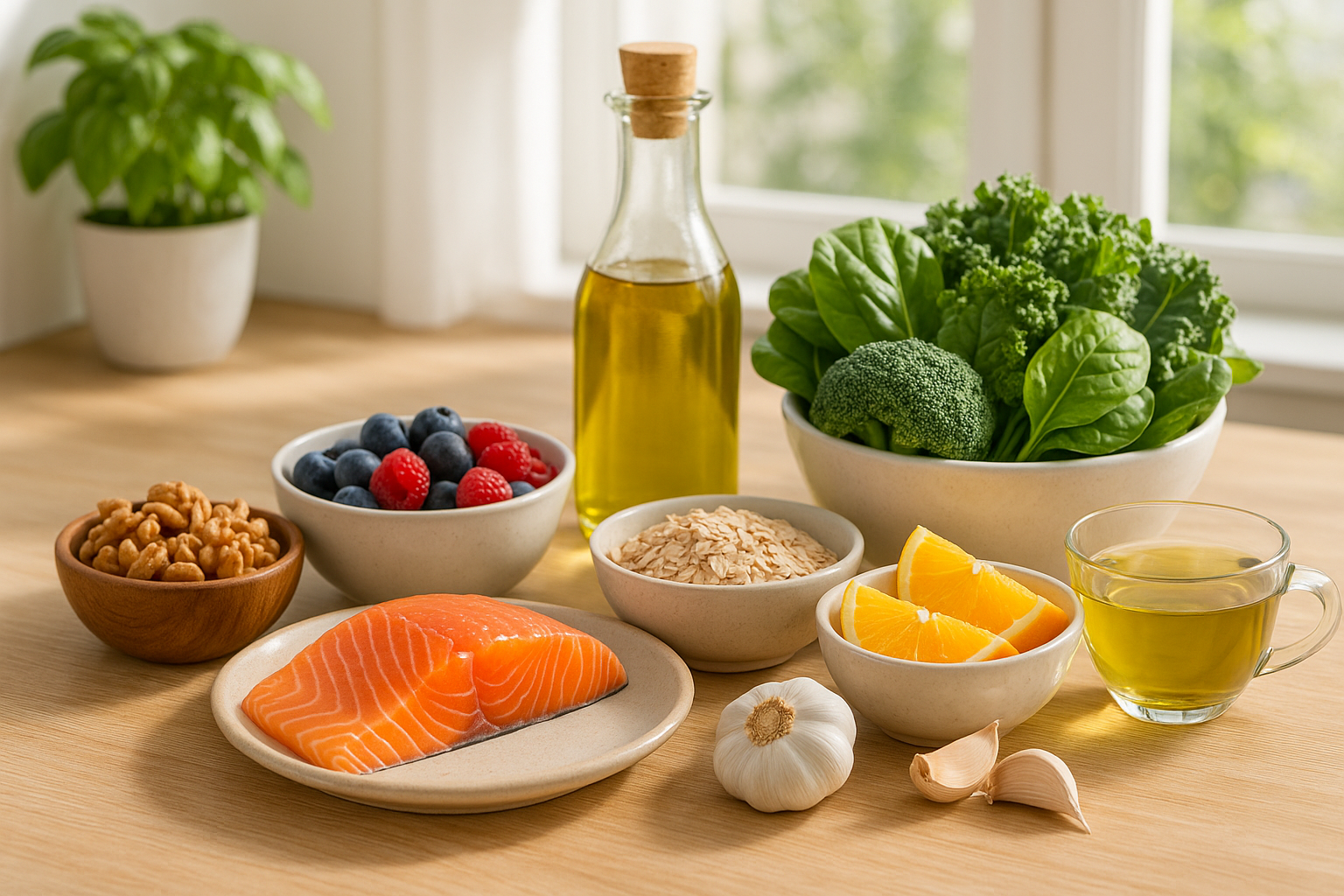
The most helpful foods for liver support are everyday whole foods: vegetables, fruits, legumes, whole grains, healthy fats, protein-rich foods, and beverages such as water, coffee, and tea.
What does liver detox actually mean?
In wellness marketing, the phrase “liver detox” is often used to describe juices, teas, or restrictive cleanses. In biology, liver detoxification refers to normal enzymatic processes that help metabolize alcohol, medications, hormones, byproducts of digestion, and environmental exposures.
These processes require adequate protein, vitamins, minerals, antioxidants, and energy. They also depend on healthy bile flow, regular bowel movements, hydration, and a low burden of alcohol and highly processed foods.

In other words, liver support is less about a short-term detox plan and more about a consistent eating pattern.
Best foods that support liver detox pathways
1. Cruciferous vegetables
Broccoli, cauliflower, Brussels sprouts, cabbage, kale, bok choy, and arugula are rich in fiber and sulfur-containing plant compounds. These vegetables support normal antioxidant defenses and provide nutrients involved in metabolic health.
They are also filling and low in added sugar, making them useful for weight management, blood sugar balance, and fatty liver prevention.
Simple ways to eat more:
- Add broccoli or cabbage to stir-fries
- Use arugula or kale as a salad base
- Roast Brussels sprouts with olive oil and lemon
- Add shredded cabbage to tacos, bowls, or soups
2. Leafy greens
Spinach, romaine, Swiss chard, collards, mustard greens, and other leafy greens provide folate, magnesium, potassium, vitamin K, fiber, and protective plant compounds.
Leafy greens can help improve overall diet quality, which is important because liver health is closely tied to metabolic health, blood sugar regulation, and body weight.
Try adding a handful of greens to smoothies, soups, omelets, grain bowls, or pasta dishes.
3. Berries and other antioxidant-rich fruits
Blueberries, strawberries, raspberries, blackberries, cherries, oranges, grapefruit, and kiwi provide vitamin C, polyphenols, and fiber. Antioxidant-rich fruits help support the body’s defense against oxidative stress, a process involved in liver inflammation and metabolic dysfunction.
Whole fruit is generally a better choice than fruit juice because it contains fiber and is less likely to cause a rapid sugar load.
4. High-fiber foods
Fiber supports liver health indirectly by improving gut health, promoting regular bowel movements, supporting cholesterol balance, and helping regulate blood sugar.
Good sources include:
- Oats
- Beans and lentils
- Chickpeas
- Barley
- Brown rice
- Quinoa
- Chia seeds
- Ground flaxseed
- Vegetables and whole fruits
A higher-fiber diet may be especially helpful for people working to reduce risk factors associated with fatty liver, such as insulin resistance, high triglycerides, and excess abdominal weight.
5. Beans, lentils, and plant proteins
Legumes are rich in fiber, minerals, and plant-based protein. They can replace some processed meats or high-saturated-fat foods, which may benefit heart and liver health.
Examples include lentil soup, black bean bowls, chickpea salads, hummus, split pea soup, and white bean vegetable stews.
6. Healthy fats from olive oil, nuts, seeds, and fatty fish
The liver is sensitive to the type and amount of fat in the overall diet. Diets emphasizing unsaturated fats are generally more supportive of cardiometabolic health than diets high in saturated and trans fats.
Helpful options include:
- Extra-virgin olive oil
- Avocado
- Walnuts
- Almonds
- Chia seeds
- Flaxseed
- Pumpkin seeds
- Salmon, sardines, trout, and other omega-3-rich fish
These foods fit well within a Mediterranean-style pattern, which is often recommended for metabolic and fatty liver risk reduction.
7. Protein-rich foods
Adequate protein supplies amino acids needed for normal repair, enzyme function, immune support, and detoxification pathways. Good options include fish, poultry, eggs, Greek yogurt, tofu, tempeh, beans, lentils, and lean meats.
People with advanced liver disease may need individualized protein guidance from a clinician or dietitian, but most healthy adults benefit from including a quality protein source at each meal.
8. Garlic, onions, herbs, and spices
Garlic, onions, leeks, scallions, turmeric, ginger, parsley, cilantro, rosemary, and other herbs and spices add flavor while helping reduce reliance on excess salt, sugar, and heavy sauces.
Garlic and onions also provide sulfur-containing compounds and prebiotic fibers that support gut health. A healthier gut environment can reduce metabolic stress on the liver.
9. Coffee and green tea
Coffee is one of the most studied beverages in relation to liver health. Research has linked coffee intake with favorable liver-related outcomes in several populations. Unsweetened coffee is preferable to sugar-heavy coffee drinks.
Green tea provides polyphenols and can be a helpful alternative to sugary beverages. However, concentrated green tea extract supplements have been associated with liver injury in some cases, so whole brewed tea is the safer everyday choice for most people.
10. Water-rich foods and hydration
Water supports normal circulation, digestion, kidney function, and waste elimination. While hydration does not “flush toxins” in a dramatic way, it is essential for normal metabolism.
Helpful options include water, sparkling water without added sugar, herbal tea, broth-based soups, cucumbers, citrus, melon, and leafy vegetables.
Foods and drinks to limit for liver health
Supporting the liver is not only about what to add. It is also about what to reduce.
Alcohol
Alcohol is a major cause of liver injury. If you have liver disease, your clinician may recommend avoiding alcohol completely. Even for healthy adults, lower intake is generally safer for liver health.
Sugary drinks and excess added sugar
Soda, sweet tea, energy drinks, sweetened coffee drinks, candy, and frequent desserts can contribute to excess calorie intake and metabolic stress. High intake of added sugar, especially from beverages, is associated with weight gain and fatty liver risk.
Highly processed foods
Frequent intake of ultra-processed foods can crowd out nutrient-dense choices and increase intake of refined starches, sodium, added sugars, and unhealthy fats.
Excess saturated fat and trans fat
Large amounts of fried foods, processed meats, pastries, and high-fat fast food may worsen cardiometabolic risk factors that affect liver health.
A simple liver-supportive plate
For most meals, aim for:
- Half the plate: vegetables, especially leafy greens and cruciferous vegetables
- One quarter: protein such as fish, beans, tofu, eggs, poultry, or yogurt
- One quarter: high-fiber carbohydrates such as oats, quinoa, brown rice, lentils, or sweet potatoes
- Add healthy fat: olive oil, avocado, nuts, seeds, or fatty fish
- Drink: water, unsweetened tea, or coffee without excess sugar
Sample one-day liver-supportive menu
Breakfast: Oatmeal with blueberries, ground flaxseed, walnuts, and plain Greek yogurt.
Lunch: Lentil and vegetable soup with a side salad of arugula, cabbage, olive oil, and lemon.
Snack: Apple slices with almond butter or hummus with carrots and cucumbers.
Dinner: Salmon or tofu with roasted broccoli, quinoa, garlic, herbs, and extra-virgin olive oil.
Beverages: Water, unsweetened green tea, or coffee without heavy sweeteners.
When to seek medical guidance
Talk with a healthcare professional if you have symptoms such as yellowing of the skin or eyes, dark urine, persistent abdominal swelling, unexplained fatigue, easy bruising, severe itching, or pain in the upper right abdomen.
You should also seek guidance if you have hepatitis, cirrhosis, fatty liver disease, heavy alcohol use, diabetes, obesity, high triglycerides, or if you take medications or supplements that may affect the liver.
Key takeaway
The best foods that support liver detox are not exotic or extreme. They are the same foods that support overall metabolic health: vegetables, fruits, legumes, whole grains, healthy fats, quality protein, coffee or tea if tolerated, and plenty of water.
For long-term liver support, focus on consistency, fiber, nutrient density, alcohol moderation or avoidance, and fewer ultra-processed foods.