
Gentle Natural Remedies for Bloating and Better Digestive Comfort
Gentle Natural Remedies for Bloating and Better Digestive Comfort
Bloating can happen when gas builds up in the digestive tract, when digestion slows, or when the gut is sensitive to certain foods. Occasional bloating is common, but it can still be uncomfortable. The good news is that simple, gentle habits may help reduce bloating and support everyday digestive comfort.
Common reasons bloating happens
Bloating may be linked to eating too quickly, swallowing air, carbonated drinks, constipation, large meals, high-sodium foods, or foods that ferment in the gut. Some people are also sensitive to lactose, wheat, certain fibers, sugar alcohols, or high-FODMAP foods.
1. Eat slowly and chew well
Eating quickly can increase swallowed air and make digestion feel heavier. Try taking smaller bites, chewing thoroughly, and pausing between bites. This gives your body more time to begin digestion and may reduce post-meal fullness.
2. Take a gentle walk after meals
Light movement can help stimulate normal digestive motion and may ease gas discomfort. A 10 to 15 minute walk after a meal is often enough. Avoid intense exercise immediately after eating if it makes symptoms worse.
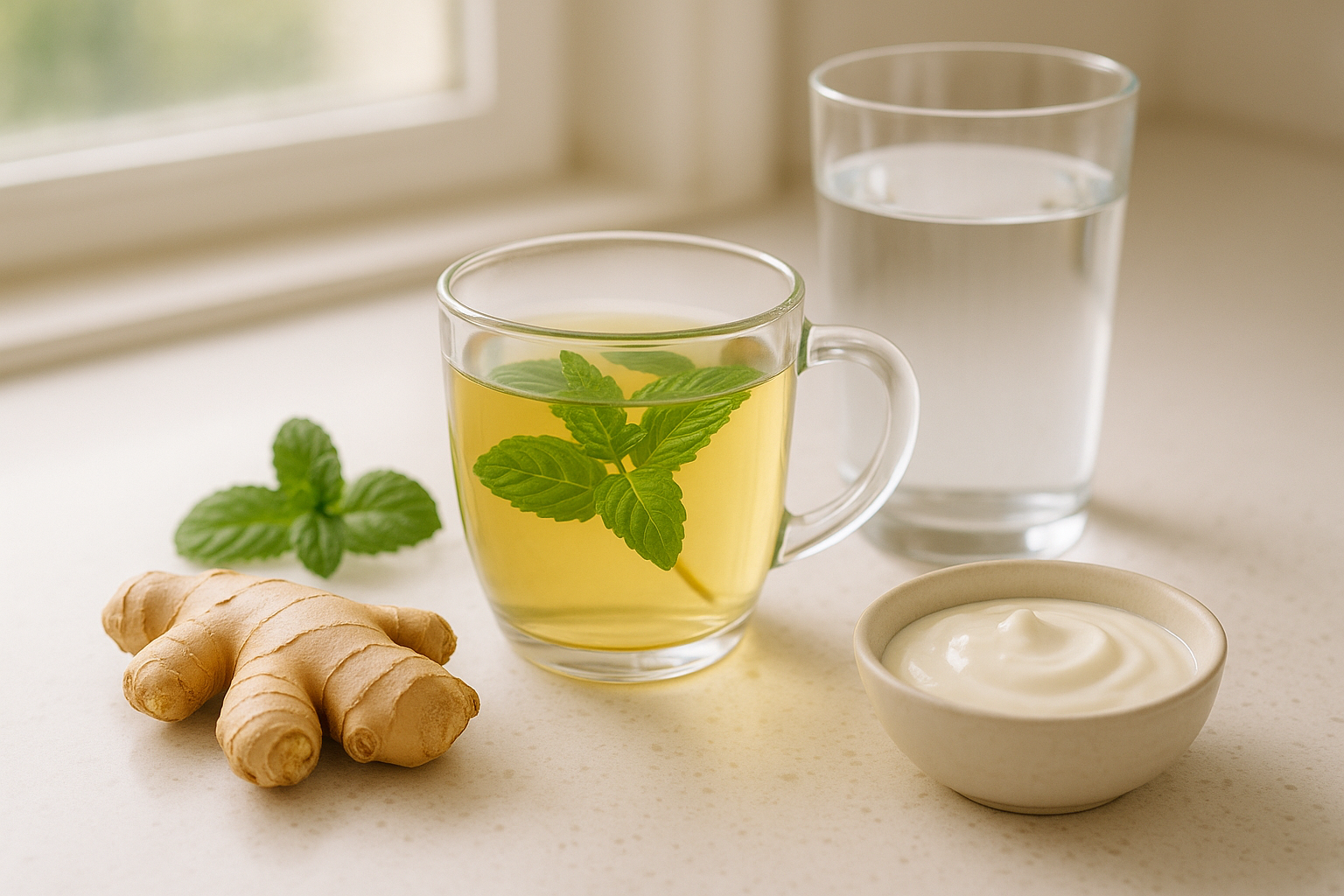
3. Sip warm peppermint or ginger tea
Peppermint and ginger are commonly used for digestive comfort. Peppermint may help relax digestive tract muscles, while ginger may support normal stomach emptying and reduce nausea for some people. If you have acid reflux, peppermint may worsen symptoms, so use caution.

4. Stay hydrated
Water supports healthy digestion and helps stool move through the intestines. This can be especially helpful if bloating is related to constipation. Aim to sip water throughout the day rather than drinking large amounts all at once.
5. Notice possible food triggers
If bloating happens often, keep a simple food and symptom journal for one to two weeks. Track meals, drinks, timing, stress, bowel habits, and symptoms. Patterns may reveal triggers such as dairy, carbonated beverages, beans, onions, wheat, sugar alcohols, or very large portions.
6. Increase fiber gradually
Fiber supports gut health, but adding too much too quickly can increase gas and bloating. If you are increasing fiber from vegetables, legumes, whole grains, seeds, or supplements, do it slowly and drink enough water.
7. Consider probiotic foods if tolerated
Fermented foods such as yogurt with live cultures, kefir, sauerkraut, or kimchi may support the gut microbiome. However, fermented foods can worsen bloating for some people, so start with small amounts and pay attention to your response.
8. Reduce carbonated drinks and gum
Sparkling water, soda, and chewing gum can increase swallowed air or gas. If you notice bloating after these habits, try reducing them for a week and see whether symptoms improve.
9. Support regular bowel movements
Constipation is a common cause of bloating. Helpful habits include drinking water, walking daily, eating fiber-rich foods gradually, and maintaining a consistent bathroom routine. If constipation is persistent, speak with a healthcare provider.
When to seek medical advice
Get medical care if bloating is persistent, severe, or new and unexplained. Also seek help if bloating occurs with ongoing abdominal pain, vomiting, blood in stool, black stools, fever, unexplained weight loss, difficulty swallowing, persistent diarrhea, or significant constipation.
Key takeaway
Natural remedies for bloating are often simple: slow down while eating, move gently, hydrate, identify triggers, and use soothing options like peppermint or ginger when appropriate. If symptoms continue or feel unusual, a healthcare professional can help identify the cause and guide safe treatment.