
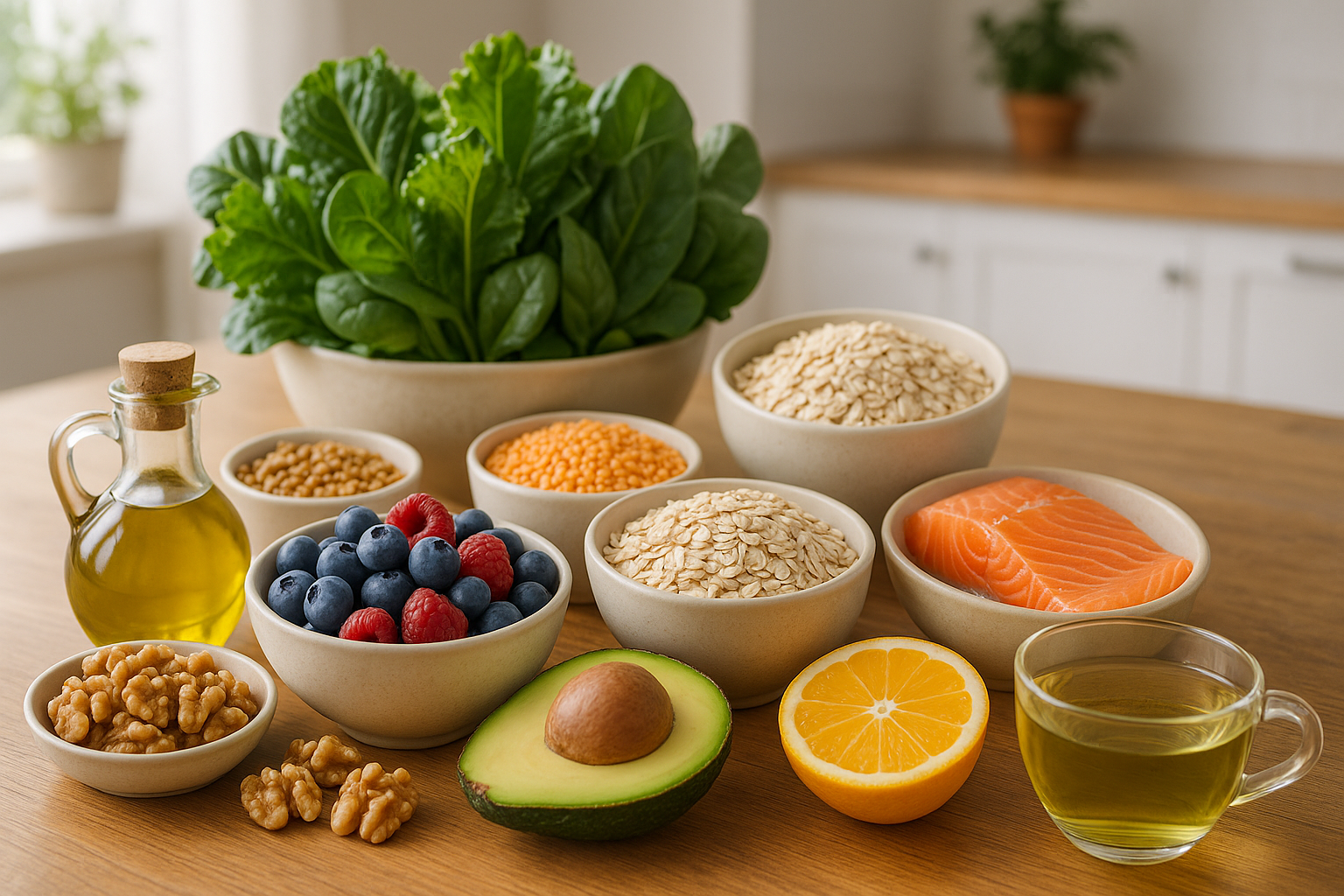
Best Whole Foods for Gentle Daily Liver Support
Best Whole Foods for Gentle Daily Liver Support
The best foods for liver support are not extreme cleanse foods. They are everyday whole foods that help provide fiber, antioxidants, protein, healthy fats, vitamins, and minerals. Your liver is already designed to process nutrients and handle many natural detoxification tasks. A supportive diet gives it steady nutrition without adding excess alcohol, added sugar, or highly processed foods.
What liver-supportive eating really means
Gentle liver support is about consistency. A healthy pattern may help support normal metabolism, digestion, blood sugar balance, and weight management, all of which can influence liver health.
A liver-friendly plate usually includes:
- Plenty of vegetables and fruit
- High-fiber carbohydrates such as oats, beans, lentils, and whole grains
- Protein from fish, poultry, eggs, tofu, tempeh, beans, or Greek yogurt
- Healthy fats from olive oil, nuts, seeds, avocado, and fatty fish
- Water, unsweetened tea, or coffee instead of sugary drinks
- Limited alcohol, fried foods, refined grains, and added sugars
1. Leafy greens
Leafy greens such as spinach, kale, arugula, collards, and Swiss chard provide fiber, folate, vitamin K, magnesium, and a range of plant compounds. They are low in calories and easy to add to daily meals.
Try adding greens to omelets, soups, grain bowls, smoothies, or side salads. If raw greens bother your digestion, lightly sautéing or steaming them may make them easier to tolerate.

2. Cruciferous vegetables
Broccoli, cauliflower, cabbage, Brussels sprouts, bok choy, and radishes are rich in fiber and sulfur-containing plant compounds. These vegetables fit well into a liver-supportive diet because they help increase overall plant diversity and support healthy digestion.
Roast broccoli with olive oil, add cabbage to tacos, toss shredded Brussels sprouts into salads, or stir-fry bok choy with garlic and ginger.
3. Berries and colorful fruit
Berries, oranges, kiwi, cherries, apples, and grapes provide vitamin C, polyphenols, and fiber. Colorful fruit can also satisfy sweet cravings while replacing desserts or sugary snacks.
Choose whole fruit more often than juice. Whole fruit contains fiber, which helps slow sugar absorption and supports fullness.
4. Beans, lentils, and peas
Legumes are among the most useful foods for liver support because they provide both protein and fiber. Fiber supports gut health and can help with cholesterol and blood sugar management. Beans and lentils are also budget-friendly and easy to use in many meals.
Try lentil soup, black bean bowls, chickpea salads, hummus, split pea soup, or white beans added to pasta and vegetable dishes.
5. Oats and other whole grains
Oats, barley, brown rice, quinoa, farro, and whole wheat contain fiber and slow-digesting carbohydrates. Oats and barley are especially known for beta-glucan, a type of soluble fiber that supports heart and metabolic health.
A simple liver-supportive breakfast could include oatmeal topped with berries, ground flaxseed, walnuts, and plain yogurt.
6. Fatty fish
Salmon, sardines, trout, herring, and mackerel provide omega-3 fatty acids and high-quality protein. Replacing some processed meats or fried foods with fish can improve the overall quality of the diet.
Aim for baked, grilled, or poached fish rather than fried fish. If you do not eat fish, consider chia seeds, flaxseed, walnuts, and algae-based omega-3 options.
7. Nuts and seeds
Walnuts, almonds, pistachios, chia seeds, flaxseed, pumpkin seeds, and hemp seeds provide healthy fats, fiber, magnesium, and plant protein. They are calorie-dense, so a small handful or a tablespoon or two of seeds is usually enough.
Add nuts or seeds to oatmeal, yogurt, salads, roasted vegetables, or homemade trail mix.
8. Extra-virgin olive oil and avocado
Unsaturated fats from extra-virgin olive oil and avocado can help replace saturated fats from butter, high-fat processed meats, and many fried foods. A Mediterranean-style eating pattern that includes olive oil, vegetables, legumes, whole grains, nuts, and fish is often recommended for metabolic wellness.
Use olive oil for salad dressings, roasted vegetables, and simple sautés. Add avocado to bowls, toast, or salads for a creamy texture.
9. Coffee and green tea
Unsweetened coffee and green tea can fit into a liver-supportive routine for many people. Coffee has been studied for its relationship with liver health, and green tea provides polyphenols. The key is to avoid turning these drinks into high-sugar desserts.
Choose plain coffee, espresso, or tea, and use modest amounts of milk or unsweetened alternatives if desired. If caffeine affects your sleep, anxiety, blood pressure, or heart rhythm, choose decaf or ask your clinician what is appropriate.
10. Yogurt, kefir, and fermented foods
Plain yogurt with live cultures, kefir, sauerkraut, kimchi, miso, and tempeh can support gut microbiome diversity. Gut health and liver health are connected through digestion and metabolism, so including fermented foods may be helpful as part of a balanced diet.
Choose unsweetened yogurt or kefir when possible, since flavored versions can contain large amounts of added sugar.
Foods and habits to limit for liver wellness
Supporting the liver is not only about what you add. It is also about what you reduce.
Consider limiting:
- Alcohol, especially if you have liver concerns or take medications
- Sugary drinks such as soda, sweet tea, and energy drinks
- Frequent fried foods and fast food
- Highly processed snacks and desserts
- Large portions of refined carbohydrates
- Processed meats such as bacon, sausage, and deli meats
If you have been told you have fatty liver disease, hepatitis, cirrhosis, high liver enzymes, or another liver condition, get individualized guidance from your healthcare team.
A simple one-day liver-supportive meal idea
Breakfast: Oatmeal with blueberries, walnuts, cinnamon, and plain Greek yogurt.
Lunch: Lentil and vegetable soup with a side salad dressed with olive oil and lemon.
Snack: Apple slices with almond butter or hummus with carrots.
Dinner: Baked salmon or tofu with quinoa, roasted broccoli, and sautéed greens.
Drink: Water, unsweetened tea, or coffee without added sugar.
Bottom line
The most reliable foods for liver support are simple whole foods eaten regularly: vegetables, fruit, beans, lentils, whole grains, nuts, seeds, fish, olive oil, and fermented foods. Skip harsh cleanses and focus on a steady pattern that supports digestion, metabolism, and overall health.