
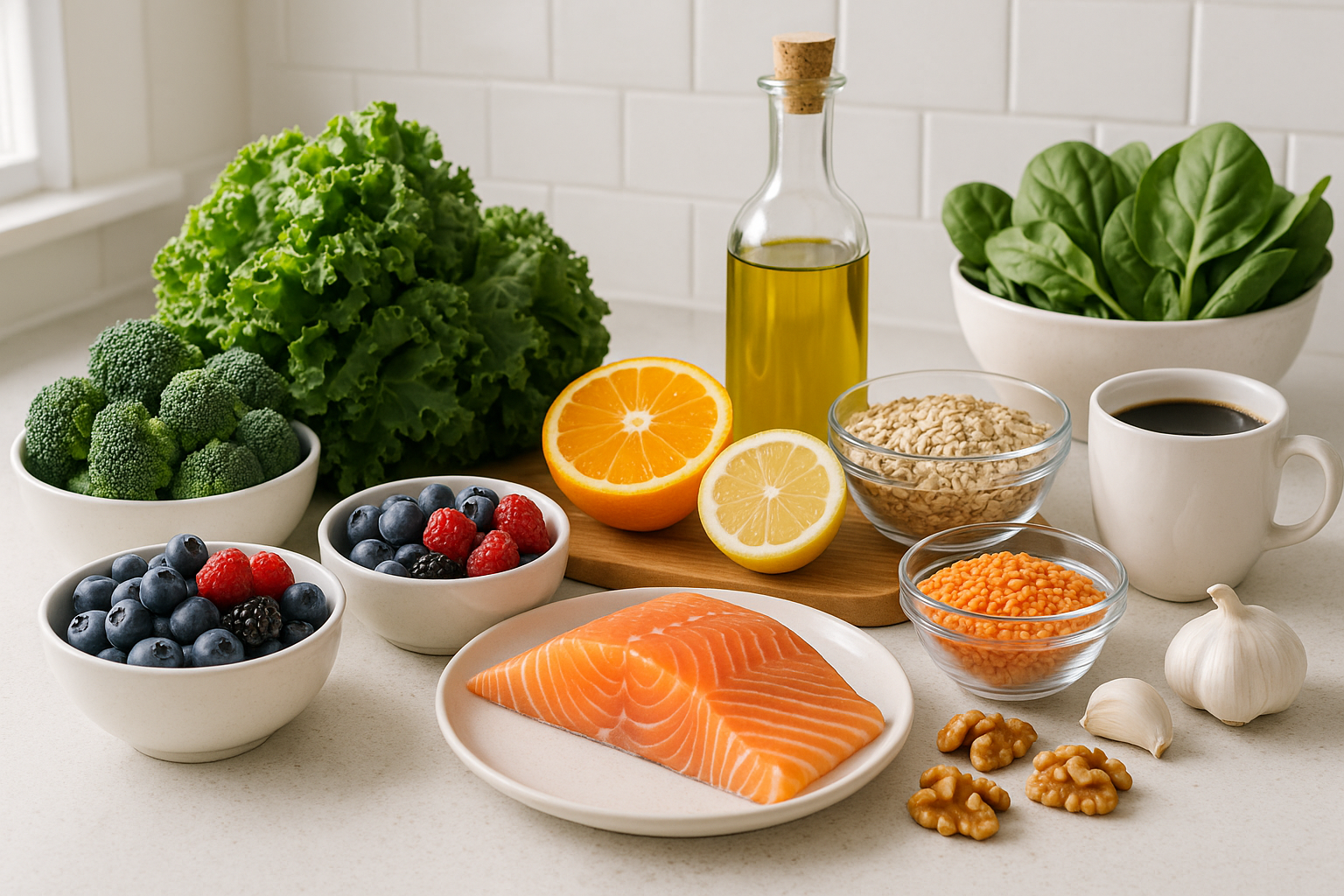
Best Foods That Naturally Support Liver Health and Detox Pathways
Best Foods That Naturally Support Liver Health and Detox Pathways
The liver is one of the body’s most metabolically active organs. It processes nutrients, makes bile, stores glycogen, helps regulate cholesterol, breaks down alcohol and many medications, and converts potentially harmful compounds into forms the body can remove.
Because the liver already detoxifies the body, the most evidence-aligned approach is to support normal liver function with consistent nutrition habits rather than extreme cleanses. The best foods that support liver health tend to share a few traits: they are high in fiber, rich in antioxidants, low in added sugar, supportive of healthy blood lipids, and helpful for stable blood glucose.
What liver-supportive eating should do
A liver-supportive diet can help provide:
- Antioxidants that help manage oxidative stress
- Fiber that supports gut health, cholesterol balance, and regular elimination
- Protein building blocks needed for normal detoxification enzymes
- Healthy fats that support metabolic health
- Micronutrients involved in methylation, glutathione production, and bile flow
- Lower exposure to excess alcohol, refined carbohydrates, and ultra-processed foods
1. Coffee
Coffee is one of the most studied beverages in relation to liver health. Regular coffee intake has been associated in observational research with better liver enzyme patterns and lower risk of some chronic liver outcomes. Coffee contains polyphenols and other compounds that may influence inflammation, oxidative stress, and fat metabolism.
For most adults, plain coffee or coffee with minimal added sugar is the best choice. Avoid turning coffee into a high-sugar dessert drink, since excess added sugar can work against metabolic and liver health goals.

Practical tip: Try unsweetened coffee, cold brew, or coffee with a splash of milk or unsweetened plant milk. If caffeine affects your sleep, anxiety, heart rhythm, or blood pressure, ask your clinician what amount is appropriate.
2. Cruciferous vegetables
Cruciferous vegetables include broccoli, cauliflower, Brussels sprouts, cabbage, kale, bok choy, arugula, and watercress. These foods contain glucosinolates, sulfur-containing compounds that are involved in the body’s normal detoxification enzyme activity.
They also provide fiber, vitamin C, folate, potassium, and numerous plant compounds. Eating them regularly is a simple way to support overall metabolic and digestive health.
Practical tip: Add roasted broccoli to grain bowls, shredded cabbage to tacos, kale to soups, or arugula to eggs and sandwiches.
3. Leafy greens
Spinach, Swiss chard, collards, romaine, beet greens, and mustard greens provide folate, magnesium, potassium, vitamin K, carotenoids, and fiber. These nutrients support overall cardiometabolic health, which matters because insulin resistance and excess visceral fat can place added stress on the liver.
Leafy greens are also low in energy density, meaning they help meals feel larger and more satisfying without relying on excess calories.
Practical tip: Aim to include a leafy green at least once daily, such as a salad, cooked greens, smoothie greens, or greens folded into soups and stews.
4. Berries and deeply colored fruits
Blueberries, strawberries, blackberries, raspberries, cherries, pomegranate, and purple grapes are rich in polyphenols and vitamin C. These compounds help support antioxidant defenses and may support healthier inflammatory balance.
Fruit is also a better sweet option than desserts, juices, and sweetened drinks because whole fruit provides fiber and water along with natural sugars.
Practical tip: Choose whole fruit more often than fruit juice. Add berries to oats, Greek yogurt, chia pudding, or salads.
5. Citrus fruits
Oranges, grapefruit, lemons, and limes provide vitamin C, flavonoids, and hydration-supporting flavor. Citrus can help make liver-supportive eating easier because it improves the taste of vegetables, fish, legumes, and whole grains without needing heavy sauces.
Important note: Grapefruit can interact with many medications, including some cholesterol, blood pressure, transplant, and psychiatric medications. If you take prescription drugs, ask your pharmacist or clinician before eating grapefruit regularly.
Practical tip: Use lemon or lime juice on vegetables, lentils, fish, avocado, or olive-oil dressings.
6. Beans, lentils, and chickpeas
Legumes are among the most useful foods for liver-supportive meals. They provide plant protein, resistant starch, soluble fiber, magnesium, potassium, and folate. Their fiber supports the gut microbiome and helps reduce post-meal glucose spikes.
Stable blood sugar and improved insulin sensitivity are especially important for people concerned about fatty liver risk.
Practical tip: Build meals around lentil soup, black bean bowls, chickpea salads, hummus, or white beans with greens and olive oil.
7. Whole grains such as oats, barley, quinoa, and brown rice
Whole grains provide fiber, B vitamins, minerals, and slow-digesting carbohydrates. Oats and barley are especially rich in beta-glucan, a soluble fiber that supports cholesterol management and metabolic health.
Replacing refined grains with whole grains can help reduce excess calorie intake and improve satiety.
Practical tip: Choose oatmeal instead of sugary cereal, barley in soups, quinoa in salads, or brown rice with vegetables and lean protein.
8. Fatty fish
Salmon, sardines, trout, herring, anchovies, and mackerel provide omega-3 fatty acids, high-quality protein, vitamin D, and selenium. Omega-3 fats support healthy triglyceride levels and overall inflammatory balance.
Because the liver plays a central role in fat metabolism, choosing healthier fat sources is an important dietary strategy.
Practical tip: Eat low-mercury fatty fish about twice weekly if appropriate for your health needs. If you do not eat fish, discuss algae-based omega-3 options with a clinician.
9. Nuts and seeds
Walnuts, almonds, pistachios, chia seeds, flaxseed, hemp seeds, and pumpkin seeds provide unsaturated fats, fiber, magnesium, vitamin E, and plant protein. Walnuts and flaxseed also provide plant-based omega-3 fats.
Nuts are nutrient-dense, so portion size matters. A small handful can be enough.
Practical tip: Add ground flaxseed to oatmeal, walnuts to salads, chia to yogurt, or pumpkin seeds to roasted vegetables.
10. Extra-virgin olive oil
Extra-virgin olive oil is a central part of Mediterranean-style eating patterns, which are commonly recommended for metabolic health. It provides monounsaturated fat and polyphenols that support heart and metabolic health.
Using olive oil in place of butter, shortening, or heavily refined oils can improve the overall fat quality of the diet.
Practical tip: Use olive oil for salad dressings, roasted vegetables, bean dishes, and low-to-medium heat cooking.
11. Garlic, onions, leeks, and shallots
Allium vegetables contain sulfur compounds and prebiotic fibers that support gut health and normal detoxification-related nutrient pathways. They also add strong flavor, making it easier to reduce reliance on excess salt, sugar, and heavy sauces.
Practical tip: Start soups, sauces, stir-fries, and bean dishes with garlic and onion cooked in olive oil.
12. Herbs and spices
Turmeric, ginger, rosemary, oregano, cilantro, parsley, cinnamon, and black pepper can add antioxidant-rich flavor to meals. They should be viewed as supportive ingredients, not as cures or replacements for medical care.
Practical tip: Use herbs and spices to make whole foods more enjoyable: turmeric in lentils, ginger in stir-fries, rosemary on roasted vegetables, and parsley on grain bowls.
13. Water and unsweetened beverages
Hydration supports normal digestion, circulation, and elimination. Water, sparkling water, unsweetened tea, and plain coffee are better choices than soda, energy drinks, sweet tea, and juice drinks.
Practical tip: If plain water feels boring, add lemon, cucumber, mint, berries, or a splash of unsweetened herbal tea.
Foods and habits to limit for liver health
Supporting liver health is not only about what you add. It is also about reducing the biggest dietary stressors.
Limit or avoid:
- Alcohol, especially if you have any liver condition
- Sugar-sweetened beverages
- Frequent desserts, candy, and refined snacks
- Large amounts of refined grains
- Ultra-processed fast foods
- Trans fats and excessive saturated fat
- Unnecessary supplements marketed as liver detox products
Alcohol deserves special attention. No food can cancel out heavy alcohol intake. If you have liver disease, are pregnant, take certain medications, or have been advised to avoid alcohol, follow medical guidance.
A simple liver-supportive plate
A practical plate can look like this:
- Half the plate: non-starchy vegetables, especially leafy greens and cruciferous vegetables
- One quarter: protein such as fish, beans, lentils, tofu, eggs, poultry, or Greek yogurt
- One quarter: high-fiber carbohydrate such as oats, quinoa, barley, brown rice, sweet potato, or beans
- Add: extra-virgin olive oil, avocado, nuts, seeds, herbs, citrus, or fermented foods
- Drink: water, unsweetened tea, or plain coffee if tolerated
Sample one-day liver-supportive menu
Breakfast: Oatmeal with blueberries, ground flaxseed, walnuts, and cinnamon, plus coffee or green tea.
Lunch: Lentil and kale soup with olive oil, lemon, garlic, and a side salad.
Snack: Greek yogurt or unsweetened plant yogurt with berries and chia seeds.
Dinner: Salmon or chickpeas with roasted broccoli, quinoa, arugula, olive oil, and lemon.
About detox pathways
The liver uses complex enzyme systems to transform and package substances for removal through bile or urine. These processes require amino acids from protein, B vitamins, minerals, antioxidants, and sulfur-containing compounds. Fiber also matters because it supports bowel regularity and helps carry bile-related waste products out of the body.
This is why balanced meals work better than extreme detox plans. Juice cleanses, harsh laxatives, and restrictive detoxes may be low in protein, low in fiber, and risky for some people.
When to seek medical guidance
Talk with a healthcare professional if you have persistent fatigue, abdominal swelling, yellowing of the skin or eyes, dark urine, pale stools, unexplained itching, right upper abdominal pain, abnormal liver enzymes, hepatitis exposure, heavy alcohol use, or a diagnosis such as fatty liver disease or cirrhosis.
Bottom line
The best foods that support liver health are everyday whole foods: coffee if tolerated, cruciferous vegetables, leafy greens, berries, citrus, legumes, whole grains, fatty fish, nuts, seeds, olive oil, garlic, onions, herbs, and plenty of water. Focus on consistency, fiber, healthy fats, and reduced alcohol and added sugar. Your liver does not need a trendy cleanse; it needs steady nutritional support.