
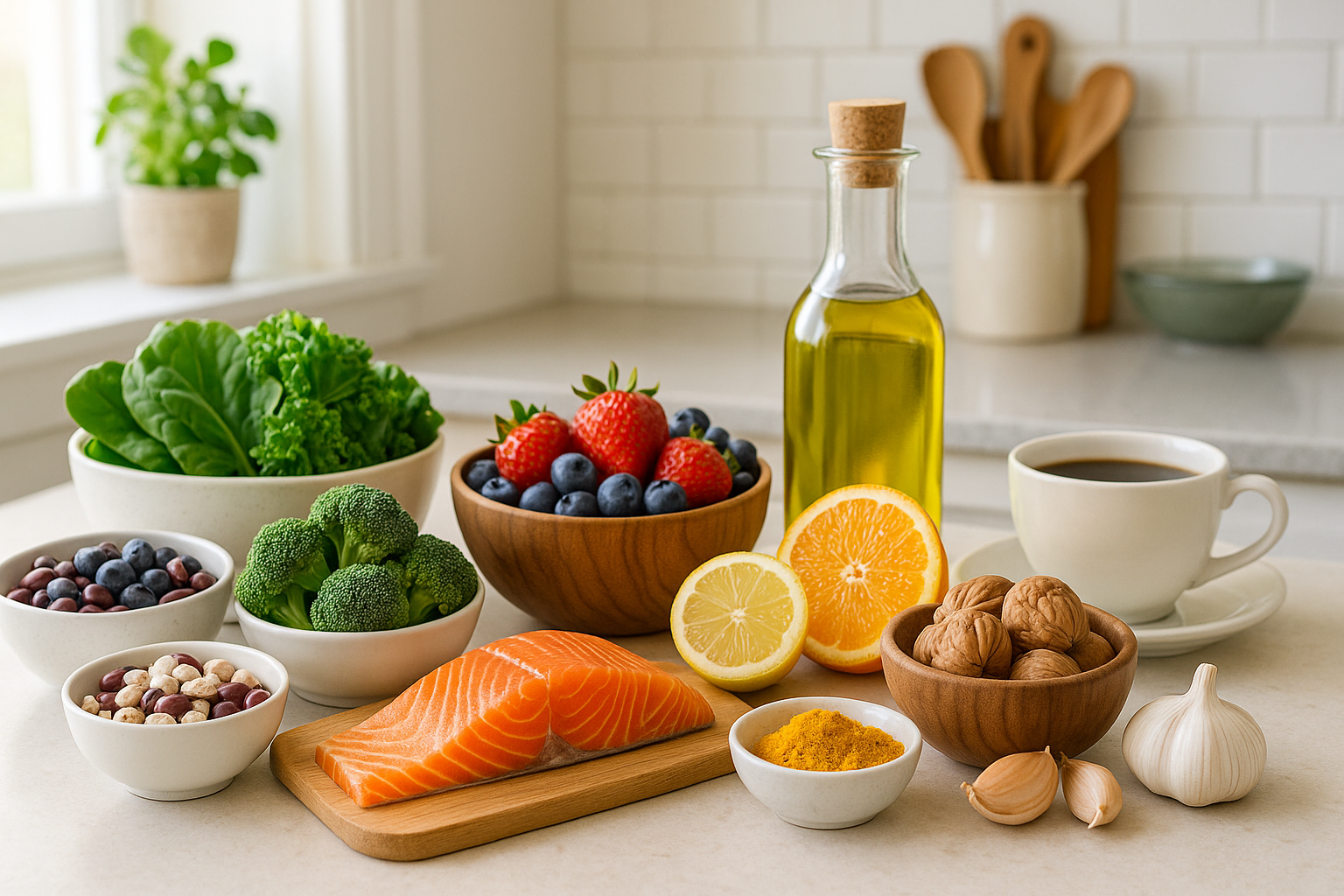
Best Foods for Natural Liver Support and Everyday Detox Pathway Health
Best Foods for Natural Liver Support and Everyday Detox Pathway Health
The liver is one of the body’s most important metabolic organs. It helps process nutrients, make bile for fat digestion, regulate cholesterol, store glycogen, metabolize alcohol and medications, and transform waste products so they can be eliminated through bile or urine.
Because the liver already performs detoxification as part of normal physiology, the best strategy is not an extreme cleanse. It is a steady, evidence-informed eating pattern that reduces unnecessary burden and supplies the nutrients your liver uses every day.
What liver support really means
Natural liver support is about helping normal liver processes work efficiently. That includes maintaining a healthy weight, supporting insulin sensitivity, eating enough fiber, limiting alcohol, staying hydrated, and choosing foods rich in antioxidants, protein, vitamins, minerals, and healthy fats.
A liver-supportive diet is especially aligned with a Mediterranean-style pattern: vegetables, fruit, beans, whole grains, nuts, seeds, fish, olive oil, and minimal ultra-processed foods.
Best liver support foods
1. Cruciferous vegetables
Broccoli, cauliflower, Brussels sprouts, cabbage, bok choy, kale, arugula, and watercress provide fiber, vitamin C, folate, and sulfur-containing compounds. These vegetables are often highlighted for supporting the body’s normal phase I and phase II detoxification pathways.

Easy ways to eat more: add arugula to sandwiches, roast Brussels sprouts with olive oil, stir-fry bok choy, or blend kale into soups.
2. Leafy greens
Spinach, Swiss chard, romaine, collards, and beet greens are rich in magnesium, folate, potassium, and plant pigments. They also help increase overall dietary fiber and micronutrient intake, both of which are important for metabolic health.
Tip: rotate greens throughout the week to get a broader range of nutrients.
3. High-fiber foods
Fiber supports regular bowel movements, healthy cholesterol levels, gut microbiome balance, and blood sugar control. These effects matter because liver health is closely connected to metabolic health.
Good choices include oats, barley, lentils, black beans, chickpeas, apples, pears, berries, chia seeds, flaxseed, and vegetables.
4. Berries and colorful fruits
Blueberries, raspberries, strawberries, blackberries, cherries, oranges, grapefruit, kiwi, and pomegranate provide vitamin C, polyphenols, and antioxidants. These compounds help protect cells from oxidative stress as part of an overall healthy diet.
Choose whole fruit more often than juice to get fiber and reduce concentrated sugar intake.
5. Coffee
Coffee is one of the most studied beverages in relation to liver health. Research has associated coffee intake with favorable liver-related outcomes in some populations. If you tolerate it, plain coffee can fit into a liver-supportive routine.
Best approach: keep it simple. Avoid turning coffee into a dessert drink with large amounts of sugar, syrups, and heavy cream.
6. Healthy fats
Extra-virgin olive oil, avocado, nuts, seeds, and fatty fish provide unsaturated fats that fit well in a Mediterranean-style diet. Replacing some saturated fats with unsaturated fats may support cardiovascular and metabolic health, which indirectly supports the liver.
Fatty fish such as salmon, sardines, trout, and mackerel also provide omega-3 fatty acids.
7. Quality protein
The liver needs amino acids for many metabolic and repair processes. Choose a balanced mix of protein sources such as fish, poultry, eggs, Greek yogurt, tofu, tempeh, lentils, beans, and lean meats.
People with diagnosed liver disease may need individualized protein guidance, so follow medical advice if you have cirrhosis or another liver condition.
8. Garlic, onions, herbs, and spices
Garlic, onions, turmeric, ginger, parsley, cilantro, rosemary, and oregano can add flavor while helping reduce reliance on excess salt, sugar, and heavy sauces. Turmeric and ginger are popular in wellness routines, but concentrated extracts or supplements can interact with medications and may not be appropriate for everyone.
Food amounts are generally different from high-dose supplements.
9. Fermented and gut-friendly foods
Plain yogurt with live cultures, kefir, sauerkraut, kimchi, miso, and fermented vegetables may support gut microbiome diversity. Gut health and liver health are connected through the gut-liver axis, so a fiber-rich diet plus fermented foods may be helpful for overall digestive and metabolic wellness.
Choose lower-sodium fermented foods when possible.
10. Water and unsweetened beverages
Hydration helps the kidneys and digestive tract do their jobs and supports normal elimination. Water, sparkling water without added sugar, unsweetened tea, and coffee are better everyday choices than sugary drinks.
Foods and habits to limit for liver health
A liver-supportive diet is not only about adding good foods. It also helps to reduce habits that increase liver stress.
Limit or avoid frequent alcohol intake, sugary beverages, large amounts of added sugar, refined carbohydrates, ultra-processed snacks, trans fats, and frequent fried foods. If you have liver disease, your clinician may recommend avoiding alcohol completely.
Simple liver-supportive meal ideas
Breakfast: oatmeal with blueberries, chia seeds, walnuts, and plain Greek yogurt.
Lunch: lentil and vegetable soup with a side salad of arugula, cabbage, olive oil, and lemon.
Dinner: salmon with roasted broccoli, quinoa, and sautéed spinach.
Snack: apple slices with almond butter, carrots with hummus, or plain yogurt with berries.
What about detox teas, cleanses, and liver supplements?
Many detox products promise fast results, but the liver does not need a harsh cleanse to function. Some supplements can also cause liver injury, especially when taken in high doses, mixed with medications, or used by people with existing liver disease.
Be cautious with products that claim rapid detox, fat flushing, alcohol reversal, or guaranteed liver repair. Food-based support, medical care when needed, and sustainable habits are safer and more realistic.
Everyday liver support checklist
Eat vegetables daily, especially cruciferous and leafy green options.
Choose high-fiber carbohydrates such as oats, beans, lentils, fruit, and whole grains.
Use olive oil, nuts, seeds, avocado, and fish as primary fat sources.
Drink water and limit sugary beverages.
Keep alcohol intake low or avoid it if advised by your healthcare professional.
Maintain a healthy weight through consistent nutrition, movement, and sleep.
Ask a clinician before using liver supplements or detox products.
Bottom line
The best liver support foods are not exotic or extreme. They are everyday staples: vegetables, beans, whole grains, berries, coffee, olive oil, nuts, seeds, fish, and enough water. When combined with limited alcohol, fewer ultra-processed foods, and regular medical care, these choices can support your liver’s natural detox pathways and long-term metabolic health.