
Everyday Foods That Support Healthy Liver Function Naturally
Everyday Foods That Support Healthy Liver Function Naturally
The phrase liver detox is popular, but it is often misunderstood. Your liver does not need a harsh cleanse to do its job. It already filters blood, processes nutrients, makes bile, stores glycogen, metabolizes alcohol and medications, and helps neutralize substances your body needs to remove.
Food cannot force the liver to detox faster in a magical way. What food can do is support the liver with nutrients, fiber, antioxidants, healthy fats, and stable energy so it can perform its normal functions well.
What it really means to support liver detox
A healthy liver depends on several everyday factors:
- Adequate protein for normal repair and enzyme activity
- Fiber to support gut health and healthy cholesterol metabolism
- Antioxidants from plant foods to help counter oxidative stress
- Healthy fats instead of excess saturated and trans fats
- Balanced blood sugar and body weight support
- Limited alcohol intake
- Avoiding unnecessary supplements or mega-dose products that may stress the liver
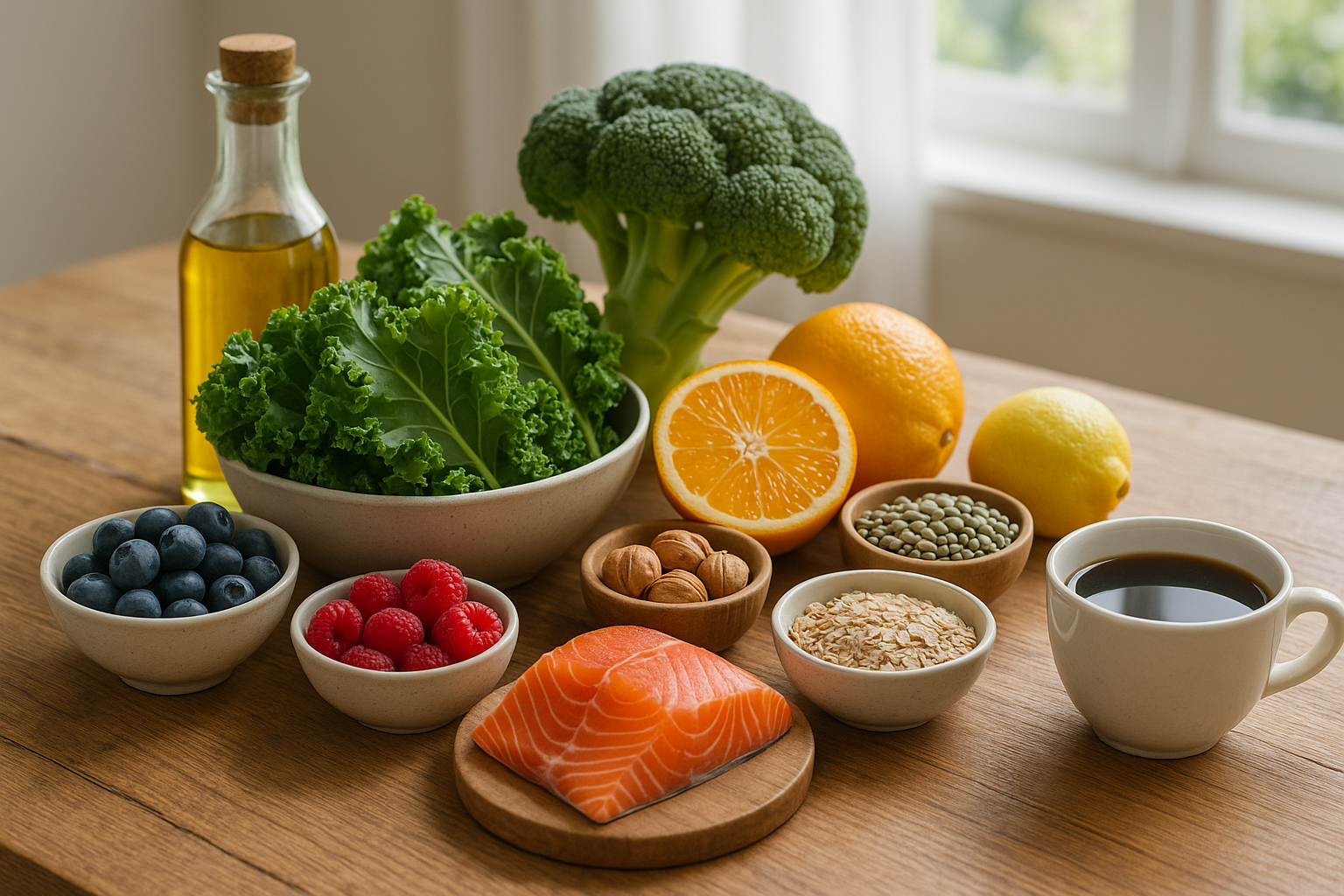
The best liver-supportive diet looks a lot like a Mediterranean-style eating pattern: vegetables, fruits, beans, whole grains, nuts, seeds, fish, olive oil, and minimal ultra-processed foods.
1. Coffee
Coffee is one of the most studied beverages in relation to liver health. Research has associated coffee consumption with better liver enzyme patterns and lower risk of some chronic liver outcomes. The benefit appears to come from a combination of bioactive compounds, not just caffeine.

For most adults, plain coffee can fit into a healthy routine. To keep it liver-friendly, limit added sugar, sweetened creamers, and high-calorie syrups. If you are sensitive to caffeine, have anxiety, heart rhythm concerns, reflux, or are pregnant, ask a healthcare professional what amount is appropriate.
2. Cruciferous vegetables
Cruciferous vegetables include broccoli, cauliflower, Brussels sprouts, cabbage, bok choy, kale, arugula, and radishes. These foods provide fiber, vitamin C, folate, and sulfur-containing plant compounds that support the body’s normal antioxidant and metabolic processes.
Easy ways to eat more:
- Add broccoli or cabbage to stir-fries
- Toss arugula into salads or grain bowls
- Roast Brussels sprouts with olive oil
- Add kale to soups, omelets, or smoothies
3. Leafy greens
Spinach, Swiss chard, romaine, collards, mustard greens, and other leafy vegetables provide magnesium, folate, vitamin K, potassium, and polyphenols. They are also low in calories and rich in fiber, making them helpful for weight management and metabolic health, both of which matter for liver function.
Try building one meal per day around greens, such as a large salad with beans and olive oil dressing, a vegetable soup, or a grain bowl with sautéed greens.
4. Berries and colorful fruits
Blueberries, strawberries, raspberries, blackberries, oranges, grapefruit, kiwi, and pomegranate provide vitamin C, fiber, and polyphenols. These compounds help support overall antioxidant defenses.
Whole fruit is usually a better choice than juice because it contains fiber and is less likely to spike blood sugar. If you enjoy fruit juice, keep portions small and choose 100 percent juice without added sugar.
5. Oats and other high-fiber whole grains
Oats, barley, quinoa, brown rice, buckwheat, and whole-grain breads can support healthy cholesterol levels, satiety, and blood sugar balance. Oats and barley are especially rich in beta-glucan, a soluble fiber.
Because the liver plays a central role in fat and carbohydrate metabolism, choosing high-fiber carbohydrates instead of refined grains and sugary foods is a practical way to support long-term liver health.
6. Beans, lentils, and chickpeas
Legumes provide plant protein, resistant starch, soluble fiber, magnesium, potassium, and iron. They are also filling and can help replace processed meats or high-saturated-fat meals.
Simple options include:
- Lentil soup
- Black bean tacos
- Chickpea salad
- Hummus with vegetables
- White beans added to pasta or greens
7. Nuts and seeds
Walnuts, almonds, pistachios, chia seeds, flaxseeds, hemp seeds, and pumpkin seeds provide healthy fats, fiber, minerals, and plant compounds. Walnuts and flaxseeds also provide alpha-linolenic acid, a plant omega-3 fat.
Because nuts and seeds are calorie-dense, a small handful or one to two tablespoons of seeds is usually enough for a serving.
8. Fatty fish
Salmon, sardines, trout, anchovies, and mackerel provide omega-3 fatty acids, high-quality protein, vitamin D, and selenium. Omega-3 fats are associated with healthier triglyceride levels and may support metabolic health.
Aim for fish prepared by baking, grilling, or steaming rather than deep-frying. If you do not eat fish, ask a healthcare professional whether an omega-3 supplement is appropriate for your situation.
9. Extra-virgin olive oil
Extra-virgin olive oil is rich in monounsaturated fats and polyphenols. It is a foundational fat in Mediterranean-style diets and can replace butter, shortening, or creamy dressings.
Use it for salad dressings, roasted vegetables, sautéed greens, beans, or drizzling over cooked grains. Portion still matters, but olive oil is a strong choice when replacing less healthy fats.
10. Garlic, onions, herbs, and spices
Garlic, onions, turmeric, ginger, rosemary, parsley, cilantro, oregano, and cinnamon add flavor while helping reduce reliance on salt, sugar, and heavy sauces. Many herbs and spices also contain antioxidant plant compounds.
Food amounts are generally safe for most people, but concentrated extracts and supplements are different. Some herbal products can interact with medications or harm the liver, so use caution with pills, powders, and detox formulas.
11. Water and unsweetened beverages
Hydration supports normal digestion, circulation, temperature regulation, and kidney function. While water does not detox the liver by itself, replacing sugary drinks with water, sparkling water, unsweetened tea, or plain coffee can reduce added sugar intake.
This matters because high intake of sugar-sweetened beverages is linked with weight gain and metabolic risk factors that can affect liver health.
Foods and habits to limit for liver health
Supporting the liver is not only about adding healthy foods. It also means reducing the things that create avoidable metabolic stress.
Limit or avoid:
- Alcohol, especially if you have liver disease or elevated liver enzymes
- Sugar-sweetened beverages
- Frequent ultra-processed snacks and desserts
- Large portions of refined carbohydrates
- Trans fats and excessive saturated fat
- Unnecessary supplements marketed as cleanses or detoxes
If you drink alcohol, follow medical guidance. For some people, especially those with liver disease, the safest amount is none.
A simple liver-supportive day of eating
Breakfast: Oatmeal with blueberries, ground flaxseed, walnuts, and plain coffee or tea.
Lunch: Lentil and vegetable soup with a side salad, olive oil vinaigrette, and citrus.
Snack: Greek yogurt or hummus with vegetables, depending on your preferences and dietary needs.
Dinner: Salmon or beans with roasted broccoli, quinoa, sautéed greens, and extra-virgin olive oil.
This type of pattern provides fiber, protein, healthy fats, antioxidants, and steady energy without relying on restrictive cleanses.
Bottom line
The best foods that support liver detox are not exotic. They are everyday whole foods that support the liver’s natural work: coffee, cruciferous vegetables, leafy greens, berries, whole grains, legumes, nuts, seeds, fatty fish, olive oil, herbs, spices, and water.
For lasting liver support, focus on consistency. Build meals around plants, choose high-fiber carbohydrates, include quality protein, use healthy fats, limit alcohol and added sugar, and be cautious with detox supplements. If you have known liver concerns, work with a healthcare professional for personalized guidance.
References
MedlinePlus: Fatty Liver Disease
NIDDK: Eating, Diet, and Nutrition for NAFLD and NASH