
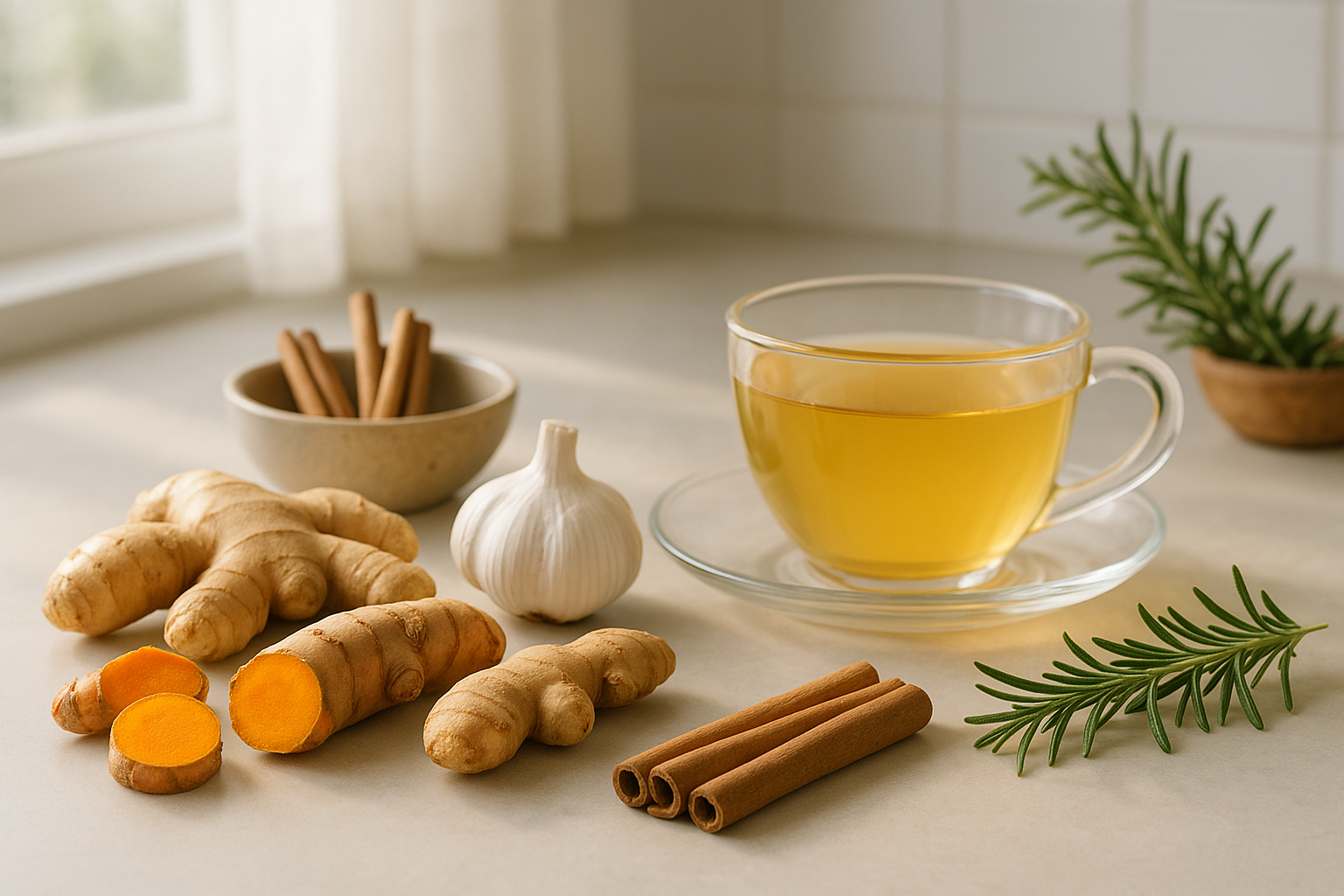
Anti Inflammatory Herbs and How They May Support Daily Wellness
Anti Inflammatory Herbs and How They May Support Daily Wellness
Inflammation is part of the body’s natural defense system. Short-term inflammation helps the body respond to injury or infection, but ongoing inflammation may be linked with many chronic health concerns. Daily habits such as balanced eating, regular movement, quality sleep, stress management, and avoiding tobacco all play important roles in supporting a healthy inflammatory response.
Anti inflammatory herbs may complement these habits. Many herbs contain plant compounds such as polyphenols, flavonoids, terpenes, and sulfur-containing compounds that have been studied for their potential effects on oxidative stress and inflammation-related pathways.
What Are Anti Inflammatory Herbs?
Anti inflammatory herbs are culinary or medicinal plants that contain naturally occurring compounds studied for their potential to influence inflammation. They are commonly used as spices, teas, extracts, or supplements.
It is important to keep expectations realistic. Eating herbs in food can support a nutrient-rich diet, but herbs are not a stand-alone treatment for inflammatory diseases. The strength, safety, and evidence vary widely depending on the herb, dose, preparation, and individual health status.
Common Anti Inflammatory Herbs
Turmeric
Turmeric contains curcumin, a yellow plant compound widely studied for its potential anti inflammatory and antioxidant properties. Turmeric is commonly used in curries, soups, rice dishes, smoothies, and warm drinks.

Curcumin is not absorbed very well on its own. It is often paired with black pepper, which contains piperine, or with dietary fat to improve absorption. However, concentrated turmeric or curcumin supplements may interact with blood thinners and may not be appropriate for everyone.
Ginger
Ginger is a warming root often used in teas, stir-fries, soups, and baked dishes. It contains compounds such as gingerols and shogaols that have been studied for effects related to inflammation, digestion, and nausea.
For daily wellness, ginger can be grated into meals, steeped as tea, or added to dressings and marinades. People taking blood-thinning medications or preparing for surgery should ask a healthcare professional before using high-dose ginger supplements.
Garlic
Garlic contains sulfur compounds, including allicin-related compounds, that have been studied for cardiovascular and immune-supporting effects. It is easy to add to vegetables, beans, soups, sauces, and whole-grain dishes.
Garlic supplements can be much stronger than culinary garlic and may increase bleeding risk in some people, especially when combined with anticoagulant or antiplatelet medications.
Cinnamon
Cinnamon is rich in polyphenols and is often used in oatmeal, yogurt, fruit, tea, and baked foods. It has been studied for possible effects on blood sugar regulation and inflammation-related markers.
There are different types of cinnamon. Cassia cinnamon contains coumarin, which may be harmful to the liver in large amounts. Using cinnamon as a food seasoning is generally different from taking concentrated supplements.
Rosemary
Rosemary is an aromatic herb containing compounds such as rosmarinic acid and carnosic acid. It pairs well with roasted vegetables, potatoes, beans, fish, poultry, and olive oil-based dishes.
Rosemary used in normal culinary amounts is common in many diets. Concentrated rosemary extracts or essential oils should be used cautiously and only with appropriate guidance.
Green Tea
Although often considered a beverage rather than an herb, green tea contains catechins such as EGCG, which have been studied for antioxidant and anti inflammatory activity. Unsweetened green tea can be a simple daily beverage option.
Green tea does contain caffeine unless labeled decaffeinated. Green tea extracts are more concentrated and have been associated with liver safety concerns in some cases, so supplement use should be discussed with a clinician.
How to Use Anti Inflammatory Herbs in Daily Life
A practical approach is to use herbs consistently in meals rather than relying on large supplement doses. Small daily additions can make healthy foods more flavorful and easier to maintain.
Simple ideas include:
- Add turmeric and black pepper to soups, lentils, scrambled eggs, or roasted cauliflower.
- Steep fresh ginger in hot water with lemon.
- Use garlic in bean dishes, vegetable sautés, and tomato sauces.
- Sprinkle cinnamon on oatmeal, apples, or plain yogurt.
- Add rosemary to roasted vegetables or olive oil marinades.
- Replace sugary drinks with unsweetened green tea when appropriate.
Herbs Work Best With an Anti Inflammatory Lifestyle
Herbs may be helpful, but they are only one part of daily wellness. A broader anti inflammatory lifestyle often includes:
- Eating plenty of vegetables, fruits, legumes, whole grains, nuts, seeds, and healthy fats.
- Choosing omega-3-rich foods such as fatty fish, flaxseed, chia seeds, or walnuts.
- Limiting highly processed foods, excess added sugar, and heavy alcohol intake.
- Moving regularly in a way that fits your ability and health status.
- Prioritizing sleep and stress management.
- Managing chronic conditions with professional medical care.
Safety Considerations
Natural does not always mean risk-free. Herbs can affect the body in meaningful ways, especially in concentrated extracts or supplement forms.
Speak with a healthcare professional before using anti inflammatory herbs therapeutically if you:
- Take prescription medications, especially blood thinners, diabetes medications, blood pressure medications, or immune-suppressing drugs.
- Are pregnant, trying to become pregnant, or breastfeeding.
- Have liver disease, kidney disease, gallbladder disease, bleeding disorders, or an upcoming surgery.
- Have allergies to related plants or spices.
- Are considering high-dose capsules, tinctures, extracts, or essential oils.
Bottom Line
Anti inflammatory herbs such as turmeric, ginger, garlic, cinnamon, rosemary, and green tea may support daily wellness when used as part of a balanced diet and healthy lifestyle. The safest approach for most people is to enjoy them in normal culinary amounts, choose high-quality foods, and consult a healthcare professional before using concentrated supplements.