
Top Liver Detox Foods That Naturally Support Healthy Liver Function
Top Liver Detox Foods That Naturally Support Healthy Liver Function
The phrase liver detox foods can be misleading. Your liver is not a dirty filter that needs to be flushed. It is a highly active organ that performs detoxification continuously through normal biological pathways. Food cannot force the liver to detox faster, but a healthy eating pattern can support the liver by providing fiber, antioxidants, healthy fats, protein, vitamins, minerals, and compounds that help maintain normal metabolic function.
The most effective liver-supportive diet is built around whole foods: vegetables, fruits, legumes, whole grains, nuts, seeds, fish, olive oil, and adequate hydration. Just as important, it limits alcohol, excess added sugar, refined carbohydrates, and highly processed foods.
1. Coffee
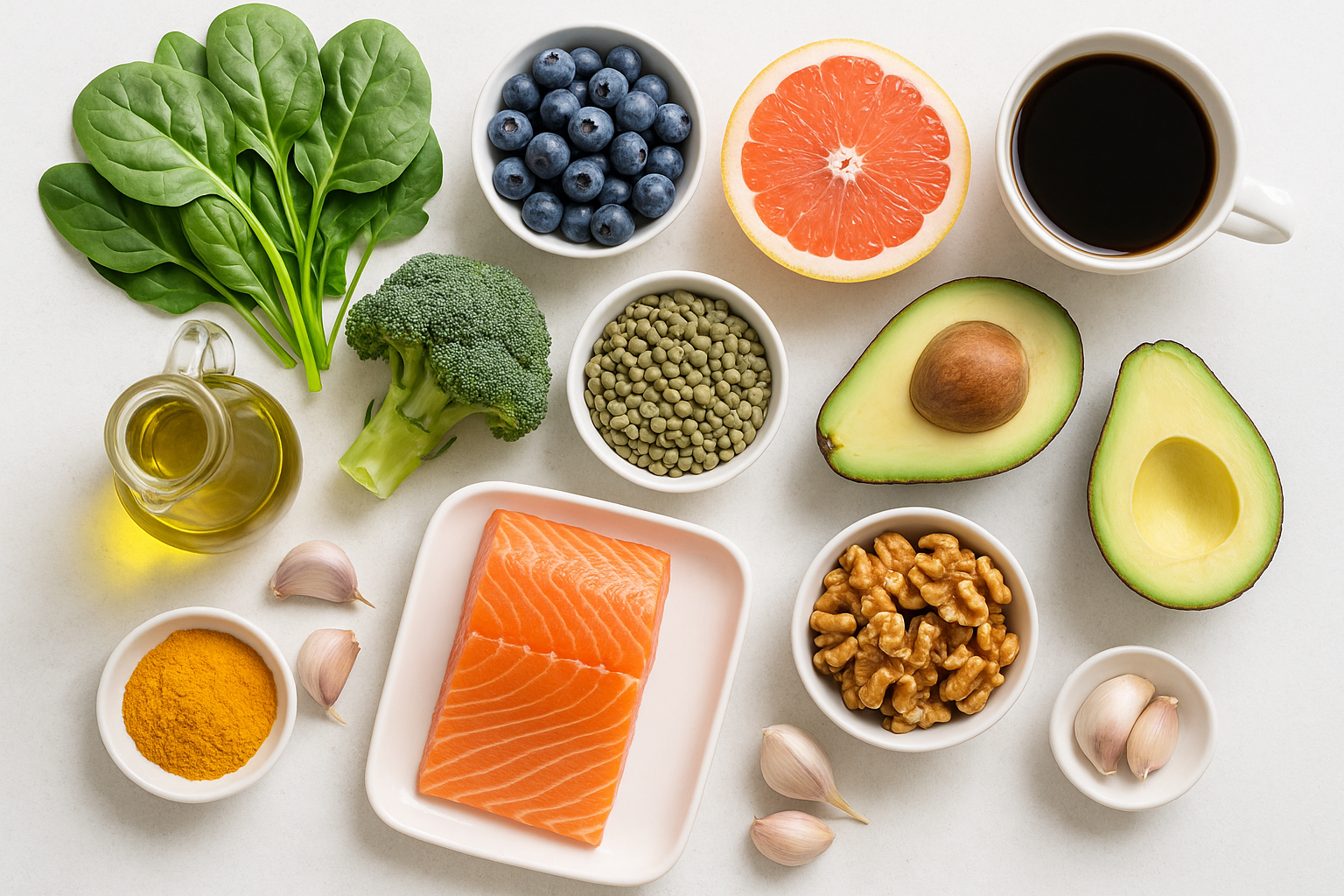
Coffee is one of the most consistently studied beverages for liver health. Regular coffee intake has been associated in research with better liver enzyme patterns and lower risk of some chronic liver outcomes. Coffee contains polyphenols and other bioactive compounds that may help support antioxidant defenses.
For most healthy adults, plain coffee can fit into a liver-supportive routine. Avoid turning it into a dessert drink with large amounts of sugar, syrups, or creamers. People who are sensitive to caffeine, pregnant, or managing heart rhythm problems, anxiety, reflux, or sleep issues should ask a clinician what amount is appropriate.
2. Cruciferous vegetables
Broccoli, cauliflower, Brussels sprouts, cabbage, bok choy, kale, and arugula provide fiber, vitamin C, folate, and sulfur-containing compounds. These vegetables are often discussed in relation to the body’s natural detoxification enzyme systems, but the practical takeaway is simple: eat them regularly as part of a varied diet.

Try roasted Brussels sprouts, steamed broccoli with olive oil and lemon, cabbage slaw, kale in soups, or cauliflower added to grain bowls.
3. Leafy greens
Spinach, Swiss chard, collards, romaine, watercress, and other leafy greens are rich in micronutrients and plant compounds. They are also low in calories and high in volume, which can support weight management. Maintaining a healthy weight is especially important for reducing risk factors associated with fatty liver.
If you take blood thinners such as warfarin, do not suddenly change your intake of high-vitamin K greens without medical guidance.
4. Berries and deeply colored fruits
Blueberries, strawberries, raspberries, blackberries, cherries, pomegranate, and grapes provide polyphenols and vitamin C. These compounds help support normal antioxidant activity in the body. Whole fruits are preferable to juices because they contain fiber and are less likely to overload the diet with rapidly absorbed sugar.
A simple liver-supportive snack is plain Greek yogurt or oatmeal topped with berries, ground flaxseed, and walnuts.
5. Beans, lentils, and other legumes
Legumes provide plant protein, soluble fiber, resistant starch, magnesium, potassium, and polyphenols. Fiber supports gut health and helps regulate cholesterol and blood sugar, both of which matter for metabolic liver health.
Good options include lentils, black beans, chickpeas, kidney beans, split peas, and edamame. Add them to soups, salads, tacos, curries, or grain bowls.
6. Oats and whole grains
Oats, barley, quinoa, brown rice, farro, and whole wheat provide fiber and steady energy. Oats and barley are especially known for beta-glucan, a soluble fiber that supports healthy cholesterol levels. Replacing refined grains and sugary breakfast foods with whole grains can reduce metabolic stress on the liver over time.
Choose minimally processed whole grains most often, and pair them with protein and healthy fat for better satiety.
7. Fatty fish
Salmon, sardines, trout, herring, and mackerel provide omega-3 fatty acids and high-quality protein. Omega-3 fats support heart and metabolic health, which is closely connected to liver health. Fish is also a strong alternative to processed meats, which are not ideal as a daily protein choice.
If you do not eat fish, discuss algae-based omega-3 options with a healthcare professional, especially if you have elevated triglycerides or liver-related metabolic concerns.
8. Nuts and seeds
Walnuts, almonds, pistachios, chia seeds, flaxseed, hemp seeds, and pumpkin seeds provide unsaturated fats, fiber, magnesium, vitamin E, and plant protein. Vitamin E is an antioxidant nutrient, but high-dose vitamin E supplements are not appropriate for everyone and should not be taken for liver conditions unless a clinician recommends it.
Use a small handful of nuts or one to two tablespoons of seeds as a topping for salads, yogurt, oatmeal, or vegetables.
9. Extra-virgin olive oil
Extra-virgin olive oil is a core part of Mediterranean-style eating, a dietary pattern often recommended for cardiometabolic health. It provides monounsaturated fats and polyphenols. Replacing butter, shortening, and deep-fried fats with olive oil can improve the overall quality of your diet.
Use it for salad dressings, roasted vegetables, sautéed greens, beans, and fish.
10. Garlic, onions, and herbs
Garlic, onions, leeks, scallions, parsley, cilantro, rosemary, oregano, ginger, and turmeric can add flavor while helping you reduce reliance on excess salt, sugar, and heavy sauces. These foods contain diverse plant compounds, but they should be viewed as supportive ingredients rather than cures.
Be cautious with concentrated extracts, especially garlic, turmeric, or green tea supplements, because supplements can interact with medications and some have been linked to liver injury in susceptible people.
11. Water and unsweetened beverages
Hydration supports normal digestion, circulation, and kidney function, which all work alongside the liver. Water, sparkling water without added sugar, and unsweetened tea are better choices than soda, energy drinks, and sweetened juices.
There is no need for extreme juice cleanses. They are often low in protein and fiber and may be high in sugar.
Foods and habits to limit for liver support
A liver-supportive diet is not only about what you add. It is also about what you reduce.
Limit or avoid alcohol, especially if you have any liver condition. Reduce sugary drinks, candy, pastries, and frequent desserts. Choose whole grains instead of refined carbohydrates most of the time. Minimize deep-fried foods and highly processed snacks. Avoid unnecessary supplements marketed as detox products unless your clinician approves them.
A simple liver-supportive plate
Build meals around this pattern: half the plate non-starchy vegetables, one quarter high-quality protein such as fish, beans, lentils, tofu, eggs, poultry, or yogurt, and one quarter whole grains or starchy vegetables. Add olive oil, avocado, nuts, or seeds for healthy fat. Finish with fruit instead of a sugary dessert most days.
Bottom line
The best liver detox foods are not exotic cleanses. They are nutrient-dense whole foods that support your liver’s normal work every day. Coffee, cruciferous vegetables, leafy greens, berries, legumes, whole grains, fatty fish, nuts, seeds, olive oil, herbs, and water can all fit into a smart liver support plan. For the greatest benefit, combine them with limited alcohol, less added sugar, regular physical activity, adequate sleep, and medical care when needed.