
Best Foods for Natural Liver Support and Daily Detox Pathways
Best Foods for Natural Liver Support and Daily Detox Pathways
Your liver is one of the body’s most active metabolic organs. It processes nutrients, helps regulate blood sugar and cholesterol, produces bile, stores certain vitamins and minerals, and breaks down substances your body needs to remove. Because of this, the most effective nutrition strategy is not an extreme cleanse. It is a consistent pattern of liver support foods that reduces metabolic stress and supplies the nutrients used in normal detoxification pathways.
What liver detox really means
The liver detoxifies through complex enzyme systems and bile production. These processes require amino acids from protein, antioxidants from plant foods, adequate hydration, and micronutrients such as choline, folate, vitamin C, magnesium, and selenium. No single food can detox the liver by itself. However, an overall dietary pattern rich in whole foods can support normal liver function and help reduce risk factors associated with fatty liver and metabolic disease.
Best liver support foods
1. Cruciferous vegetables
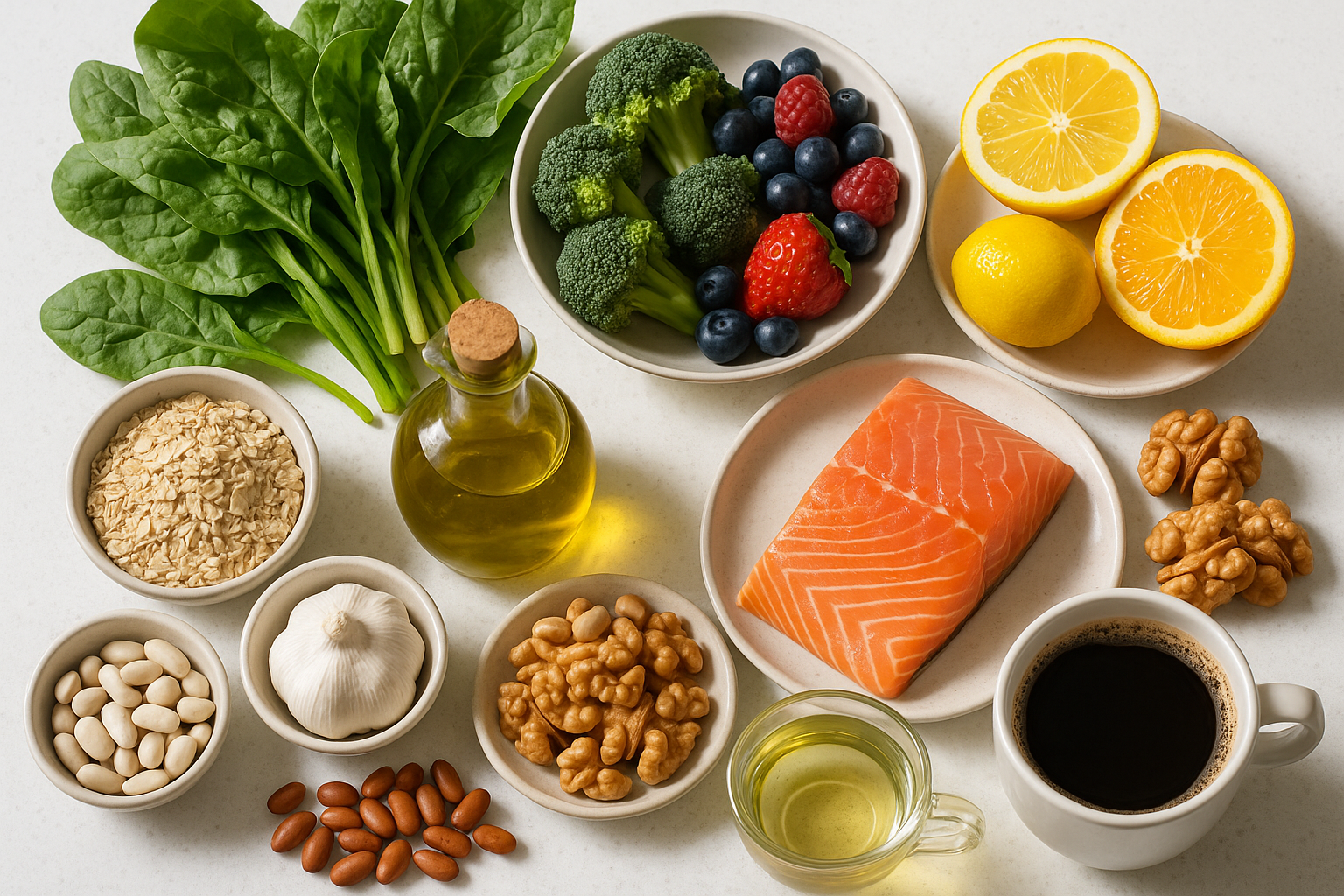
Broccoli, cauliflower, Brussels sprouts, cabbage, bok choy, arugula, and kale are among the most useful liver support foods. They provide fiber, vitamin C, folate, and sulfur-containing compounds that are involved in normal cellular defense systems. Aim for several servings per week, cooked or raw, depending on digestive tolerance.
2. Leafy greens
Spinach, Swiss chard, romaine, collards, watercress, and parsley provide magnesium, folate, potassium, carotenoids, and fiber. These nutrients support metabolic health and help build meals that are lower in excess calories but high in micronutrients. Pair greens with olive oil, avocado, eggs, beans, or fish to make them more satisfying.
3. Berries and deeply colored fruits
Blueberries, blackberries, raspberries, strawberries, pomegranate, cherries, and citrus fruits supply polyphenols and vitamin C. These compounds help protect cells from oxidative stress. Choose whole fruit more often than juice because whole fruit contains fiber and has a gentler effect on blood sugar.

4. Beans, lentils, and other high-fiber foods
Fiber supports healthy digestion, cholesterol metabolism, and blood sugar control, all of which matter for liver health. Beans, lentils, chickpeas, oats, barley, chia seeds, flaxseed, vegetables, and whole grains are practical daily choices. If you are not used to eating much fiber, increase gradually and drink enough water.
5. Coffee
Regular coffee consumption has been associated in research with better liver-related outcomes in some populations. Unsweetened coffee is the best choice. Heavy sugar, flavored syrups, and high-fat add-ins can work against metabolic health. People who are pregnant, sensitive to caffeine, have anxiety, or have certain heart rhythm issues should ask a clinician about safe caffeine intake.
6. Healthy fats
Extra-virgin olive oil, avocado, nuts, seeds, and fatty fish such as salmon, sardines, trout, and mackerel provide unsaturated fats that support heart and metabolic health. Replacing fried foods, processed meats, and excess saturated fat with these options may reduce strain on the liver over time.
7. Protein-rich whole foods
The liver uses amino acids for repair, enzyme production, and normal detoxification processes. Good options include fish, poultry, eggs, Greek yogurt, tofu, tempeh, beans, lentils, and lean meats. People with advanced liver disease may need individualized protein guidance from a clinician or dietitian.
8. Garlic, onions, herbs, and spices
Garlic, onions, leeks, turmeric, ginger, rosemary, cilantro, parsley, and other herbs add flavor while helping reduce reliance on salt, sugar, and heavy sauces. They also contribute plant compounds that support an overall anti-inflammatory eating pattern.
9. Green tea
Green tea provides polyphenols and can be a useful replacement for sugar-sweetened drinks. However, concentrated green tea extract supplements have been linked to liver injury in some cases. Drinking brewed green tea is different from taking high-dose extracts.
Foods and habits that work against liver support
For daily liver support, it is just as important to limit what creates extra metabolic burden. Reduce or avoid alcohol, sugar-sweetened beverages, frequent fried foods, ultra-processed snacks, excess added sugar, and large portions of refined carbohydrates. If you have liver disease, ask your healthcare professional whether complete alcohol avoidance is recommended, as it often is.
A simple liver-support plate
Build meals around half a plate of vegetables, one quarter protein, and one quarter high-fiber carbohydrates such as beans, lentils, oats, sweet potatoes, quinoa, or brown rice. Add a small amount of healthy fat such as olive oil, avocado, nuts, or seeds. This pattern is more sustainable and evidence-aligned than short detox programs.
Practical daily checklist
Eat at least one cruciferous vegetable most days if tolerated. Include a high-fiber food at breakfast, such as oats, berries, chia, or whole-grain toast. Replace sweetened drinks with water, unsweetened coffee, or tea. Use olive oil instead of butter or creamy dressings most of the time. Include protein at each meal. Limit alcohol and avoid unnecessary supplements unless recommended by a clinician.
Bottom line
The best liver support foods are simple whole foods eaten consistently: vegetables, berries, beans, oats, nuts, seeds, olive oil, fish, coffee, tea, and quality protein. These foods do not force a cleanse, but they support the liver’s normal daily detox pathways by improving nutrient intake, fiber intake, antioxidant status, and metabolic health.
References
NIH Office of Dietary Supplements: Choline