
Natural Sleep Remedies That Work Without Disrupting Your Circadian Rhythm
Why Circadian Rhythm Matters
Your circadian rhythm is regulated primarily by light exposure. When it becomes misaligned due to late night screen use, irregular sleep schedules, or shift work, sleep quality declines. Natural remedies are most effective when they reinforce consistent timing and healthy light cues.
1. Morning Light Exposure
Getting 10 to 30 minutes of natural sunlight within an hour of waking helps anchor your circadian rhythm. Light signals your brain to reduce melatonin and increase alertness. According to the National Institutes of Health, consistent light exposure patterns are central to stable sleep cycles.
Tip: Step outside shortly after waking, even on cloudy days.
2. Consistent Sleep and Wake Times
Going to bed and waking up at the same time daily strengthens your internal clock. Irregular schedules can shift melatonin release and make it harder to fall asleep naturally.
Tip: Keep your wake time consistent, even on weekends.

3. Evening Light Management
Bright artificial light at night can delay melatonin production. The World Health Organization and sleep researchers emphasize limiting blue light exposure before bed.
Tips:
- Dim lights 1 to 2 hours before sleep.
- Avoid screens or use night mode settings.
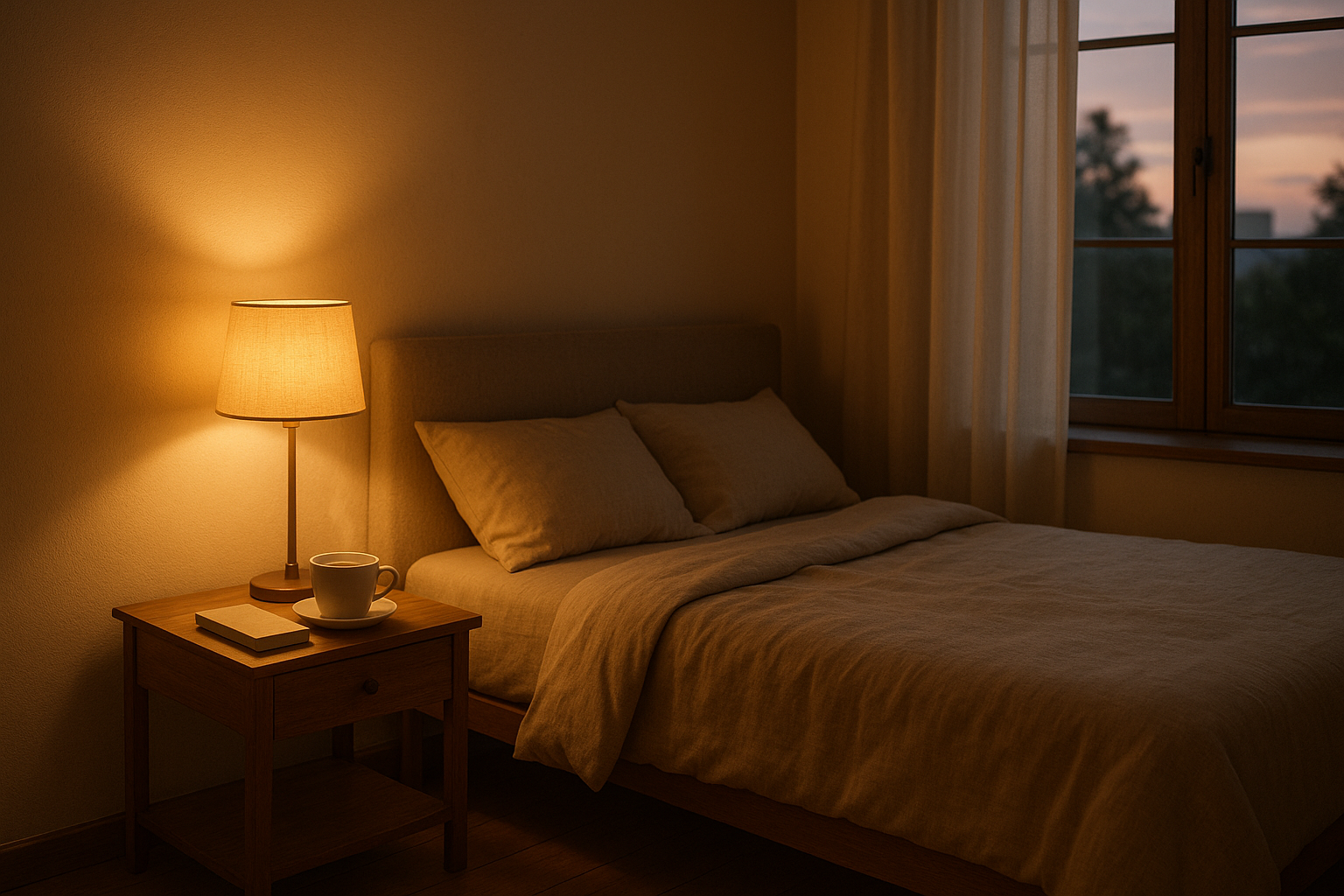
- Use warm colored lamps in the evening.
4. Herbal Teas with Mild Sedative Effects
Certain herbal teas may promote relaxation without overriding your circadian rhythm.
Common options include:
- Chamomile, which may support relaxation.
- Valerian root, studied for mild sleep support.
- Lemon balm, associated with reduced anxiety.
These herbs work best as part of a wind down routine rather than as a strong sedative.
5. Magnesium for Relaxation
Magnesium plays a role in muscle relaxation and nervous system regulation. The Office of Dietary Supplements notes that magnesium is involved in hundreds of biochemical reactions, including those related to sleep.
Low magnesium levels may contribute to sleep difficulties. Speak with a healthcare provider before supplementing.
6. Gentle Movement During the Day
Regular physical activity supports deeper sleep, but timing matters. Moderate exercise earlier in the day strengthens circadian signals. Intense workouts close to bedtime may be stimulating for some individuals.
7. Relaxation Techniques Before Bed
Stress can override your natural sleep drive. Relaxation methods that work with your nervous system include:
- Slow breathing exercises
- Progressive muscle relaxation
- Guided meditation
- Journaling to clear mental clutter
These techniques activate the parasympathetic nervous system, helping your body transition naturally into sleep.
8. Melatonin Used Carefully
Melatonin is a hormone your body produces naturally in response to darkness. Supplemental melatonin may help with jet lag or circadian rhythm disorders, but timing and dosage are critical. Higher doses do not necessarily improve sleep and may cause side effects.
Consult a healthcare professional for proper guidance.
Building a Circadian Friendly Sleep Routine
The most effective natural sleep remedies that work are those that:
- Reinforce consistent light exposure
- Support relaxation instead of sedation
- Maintain stable sleep and wake times
- Avoid overstimulation at night
Improving sleep is less about knocking yourself out and more about signaling safety and consistency to your internal clock. When your circadian rhythm is aligned, falling asleep becomes a natural process rather than a struggle.
References: