
Common Signs of Zinc Deficiency and Its Impact on Immune Health
What Is Zinc and Why It Matters
Zinc is a trace mineral involved in hundreds of enzymatic reactions in the body. It supports immune cell development, helps the body fight infections, assists with wound healing, and contributes to normal growth and development. Zinc also plays a role in taste, smell, and skin health.
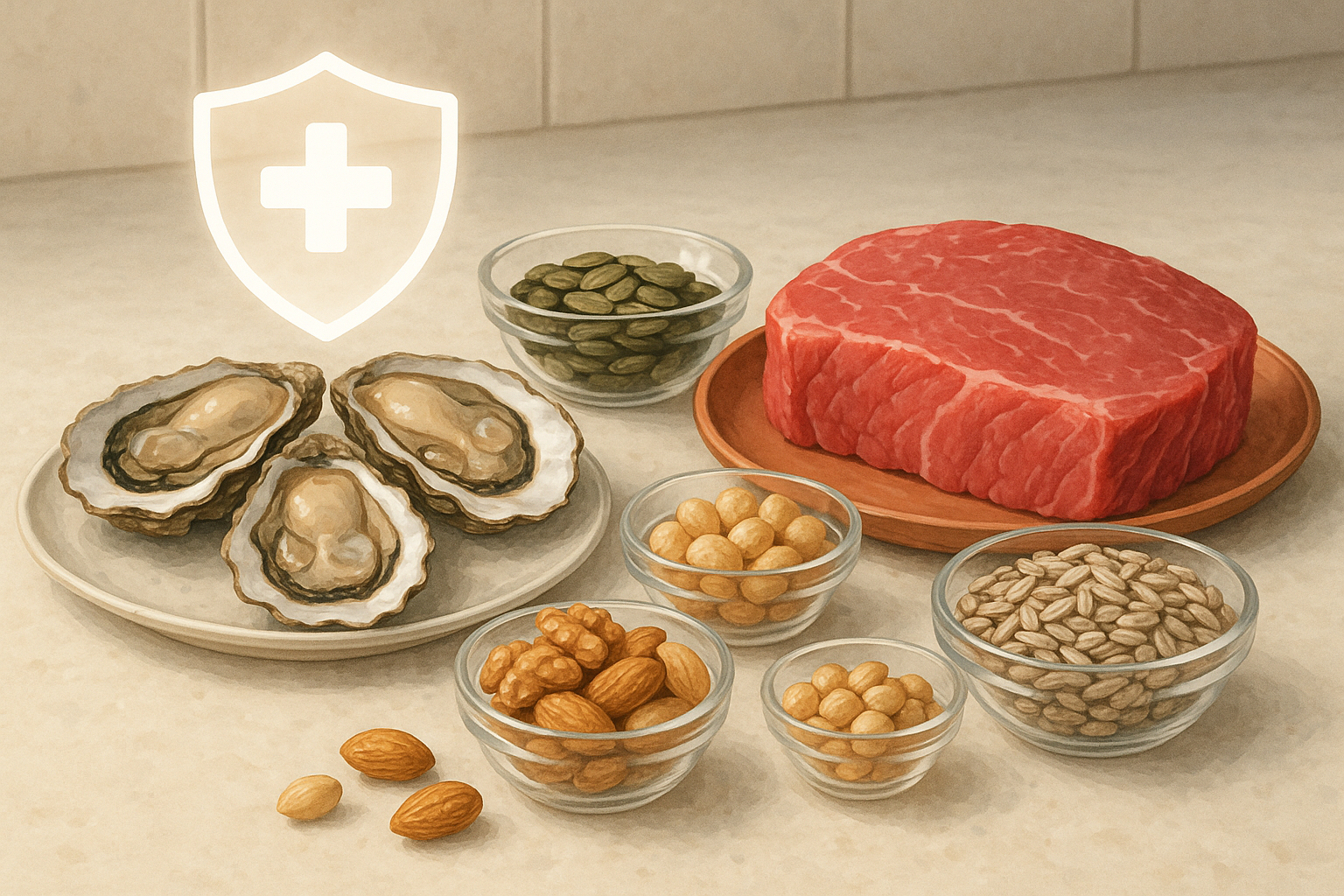
Because the body cannot produce zinc on its own, it must be obtained through foods such as meat, shellfish, dairy products, nuts, seeds, whole grains, and legumes.
Common Signs of Zinc Deficiency
Zinc deficiency can range from mild to severe. Symptoms may develop gradually and can sometimes be mistaken for other health issues.
1. Frequent Infections
One of the most significant signs of zinc deficiency is increased susceptibility to infections. Zinc is critical for the development and activation of T lymphocytes, a type of white blood cell that helps the body fight off pathogens. Low zinc levels can weaken immune response, leading to more frequent colds, respiratory infections, or prolonged illness.
2. Slow Wound Healing
Zinc supports skin integrity and tissue repair. People with low zinc levels may notice that cuts, scrapes, or surgical wounds take longer to heal. This is because zinc is necessary for cell growth and inflammatory response during the healing process.

3. Hair Loss
Unexplained hair thinning or hair loss can be associated with inadequate zinc intake. Zinc contributes to healthy hair follicle function, and deficiency may disrupt normal hair growth cycles.
4. Loss of Appetite
Zinc influences taste and smell. A deficiency may reduce the ability to taste or smell properly, which can lead to decreased appetite and unintended weight loss.
5. Skin Changes
Zinc deficiency may cause dry, scaly skin or rashes. In more severe cases, dermatitis-like symptoms can appear, especially around body openings such as the mouth or eyes.
6. Impaired Growth in Children
In children and adolescents, inadequate zinc intake can impair growth and delay sexual maturation. Zinc is essential for cell division and normal development.
How Zinc Deficiency Impacts Immune Health
Zinc is crucial for both innate and adaptive immunity. It helps maintain the integrity of physical barriers such as skin and mucous membranes, which act as the first line of defense against pathogens.
Low zinc levels can:
- Reduce the production and function of immune cells
- Impair communication between immune cells
- Increase inflammation
- Prolong recovery time from infections
Even mild zinc deficiency can negatively affect immune performance, particularly in older adults, individuals with chronic illnesses, and those with limited dietary variety.
Who Is at Risk?
Certain groups are more likely to experience zinc deficiency, including:
- Older adults
- People with gastrointestinal disorders such as inflammatory bowel disease
- Vegetarians and vegans with low intake of zinc rich plant foods
- Individuals with alcohol use disorder
- Pregnant or breastfeeding women with inadequate dietary intake
When to Seek Medical Advice
If you experience persistent symptoms such as frequent infections, slow wound healing, or unexplained hair loss, speak with a healthcare provider. A medical professional can assess dietary intake, evaluate symptoms, and order appropriate testing if needed.
Improving zinc intake through diet is often the first step. In some cases, supplements may be recommended under medical supervision to restore healthy levels and support immune function.
References: