
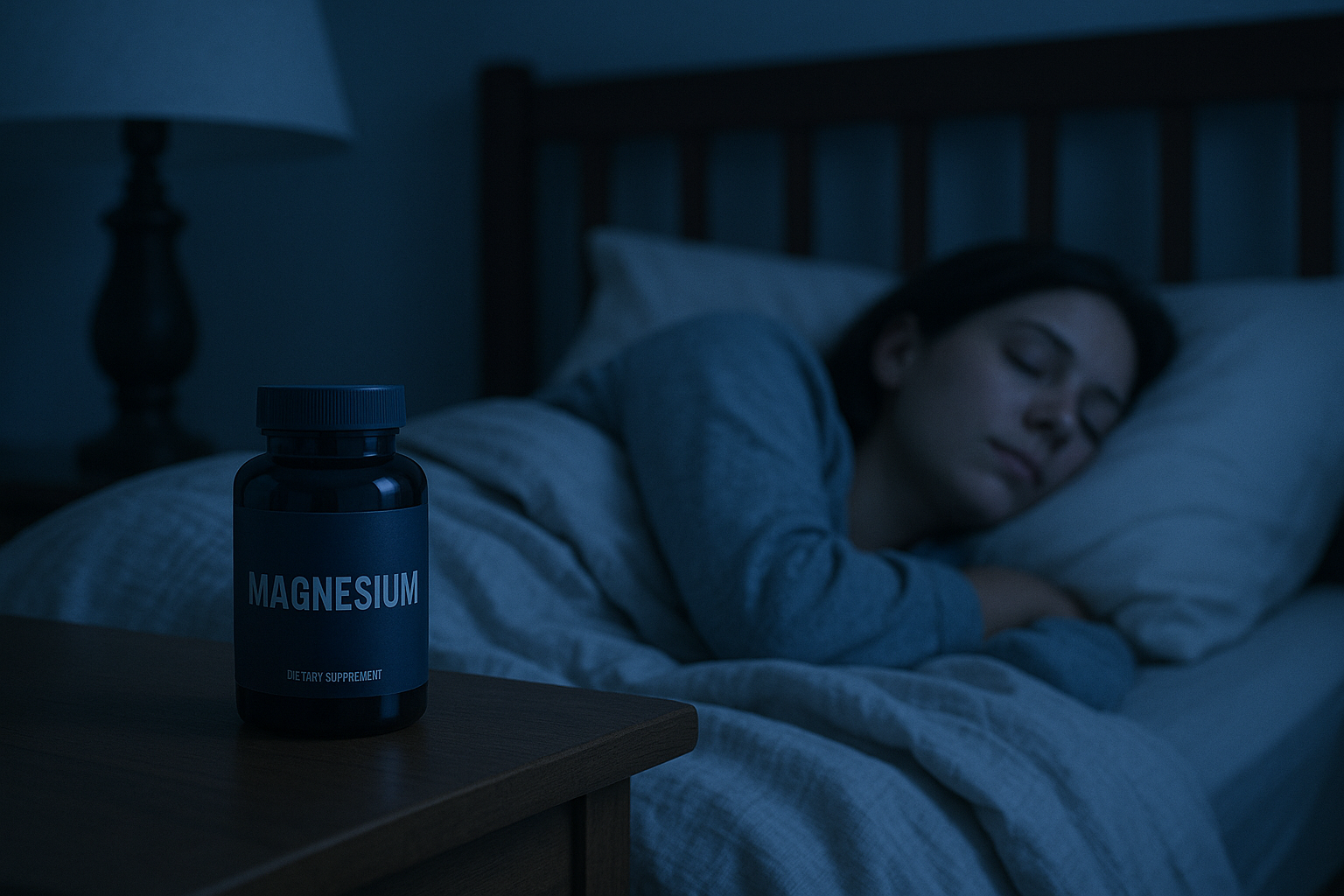
Magnesium for Sleep and Anxiety: How It Supports Deep Rest
Magnesium for Sleep and Anxiety
Magnesium is an essential mineral involved in more than 300 biochemical reactions in the body. It plays a key role in nerve function, muscle relaxation, stress regulation, and sleep quality. Research suggests that adequate magnesium levels may help promote deeper sleep and reduce nighttime anxiety.
How Magnesium Supports Deep Sleep
1. Activates the Relaxation Response
Magnesium helps regulate the parasympathetic nervous system, which is responsible for relaxation and recovery. By supporting this system, magnesium encourages the body to shift out of fight or flight mode and into a state more conducive to sleep.
2. Regulates GABA Activity
Gamma aminobutyric acid, or GABA, is a neurotransmitter that calms brain activity. Magnesium supports healthy GABA function, which may help quiet mental chatter and promote sleep onset.
3. Supports Healthy Melatonin Production
Magnesium is involved in regulating melatonin, the hormone that controls the sleep wake cycle. Balanced melatonin levels help signal the body that it is time to sleep and stay asleep.
4. Relaxes Muscles
Muscle tension can interfere with falling and staying asleep. Magnesium supports normal muscle relaxation, which may reduce physical restlessness during the night.

Magnesium and Nighttime Anxiety
Nighttime anxiety often intensifies when external distractions decrease and stress hormones remain elevated. Magnesium may help by:
- Regulating the stress response system
- Supporting balanced cortisol levels
- Reducing symptoms associated with mild anxiety
- Promoting overall nervous system stability
Low magnesium levels have been associated with increased nervousness and sleep disturbances. While supplementation is not a cure for anxiety disorders, correcting a deficiency may help improve symptoms in some individuals.
Who May Benefit
People who may benefit from evaluating their magnesium intake include:
- Individuals with difficulty falling or staying asleep
- Those experiencing racing thoughts at night
- Adults under chronic stress
- Older adults, who may have lower magnesium intake or absorption
Dietary sources of magnesium include leafy green vegetables, nuts, seeds, whole grains, and legumes. In some cases, supplements such as magnesium glycinate or magnesium citrate are used, though tolerance and absorption can vary.
Safety Considerations
According to the National Institutes of Health, excessive magnesium from supplements can cause side effects such as diarrhea, nausea, and abdominal cramping. Very high doses may lead to more serious complications. Individuals with kidney disease should use caution and consult a healthcare provider before supplementation.
The Bottom Line
Magnesium supports deep sleep by calming the nervous system, promoting muscle relaxation, and regulating sleep related hormones. It may also help reduce nighttime anxiety by supporting stress response balance. While not a standalone treatment for chronic insomnia or anxiety disorders, ensuring adequate magnesium intake can be a valuable part of a comprehensive sleep and wellness strategy.
References: