
Vitamin D Deficiency Symptoms: Early Signs and Natural Ways to Restore Optimal Levels
What Is Vitamin D and Why It Matters
Vitamin D is a fat-soluble vitamin that helps the body absorb calcium, maintain strong bones, support muscle function, and regulate immune responses. Your body produces vitamin D when your skin is exposed to sunlight, and it can also be obtained through certain foods and supplements.
Low vitamin D levels are common worldwide and may affect people of all ages.
Early Vitamin D Deficiency Symptoms
Early symptoms are often mild and may go unnoticed. Common warning signs include:
1. Persistent Fatigue
Ongoing tiredness or low energy levels may be linked to inadequate vitamin D levels.
2. Frequent Illness or Infections
Vitamin D supports immune health. Deficiency may increase susceptibility to colds, respiratory infections, and slower recovery times.
3. Bone or Lower Back Pain
Vitamin D helps with calcium absorption. Low levels may cause bone discomfort, especially in the lower back, hips, or legs.
4. Muscle Weakness or Cramps
Insufficient vitamin D can contribute to muscle aches, weakness, or cramps, particularly in older adults.
5. Mood Changes
Low vitamin D levels have been associated with mood disturbances, including symptoms of depression.
6. Hair Thinning
Severe or prolonged deficiency may contribute to hair shedding in some individuals.
Who Is at Higher Risk?
Certain groups are more vulnerable to deficiency:
- Individuals with limited sun exposure
- Older adults
- People with darker skin tones
- Those with obesity
- Individuals with malabsorption conditions
- Exclusively breastfed infants without supplementation
How to Confirm a Deficiency
A simple blood test measuring 25-hydroxyvitamin D determines your vitamin D status. Healthcare providers can interpret your levels and recommend appropriate treatment if needed.
How to Restore Optimal Vitamin D Levels Naturally
1. Safe Sun Exposure
Short periods of midday sun exposure on bare skin several times per week may help boost vitamin D production, depending on skin tone, location, and season.
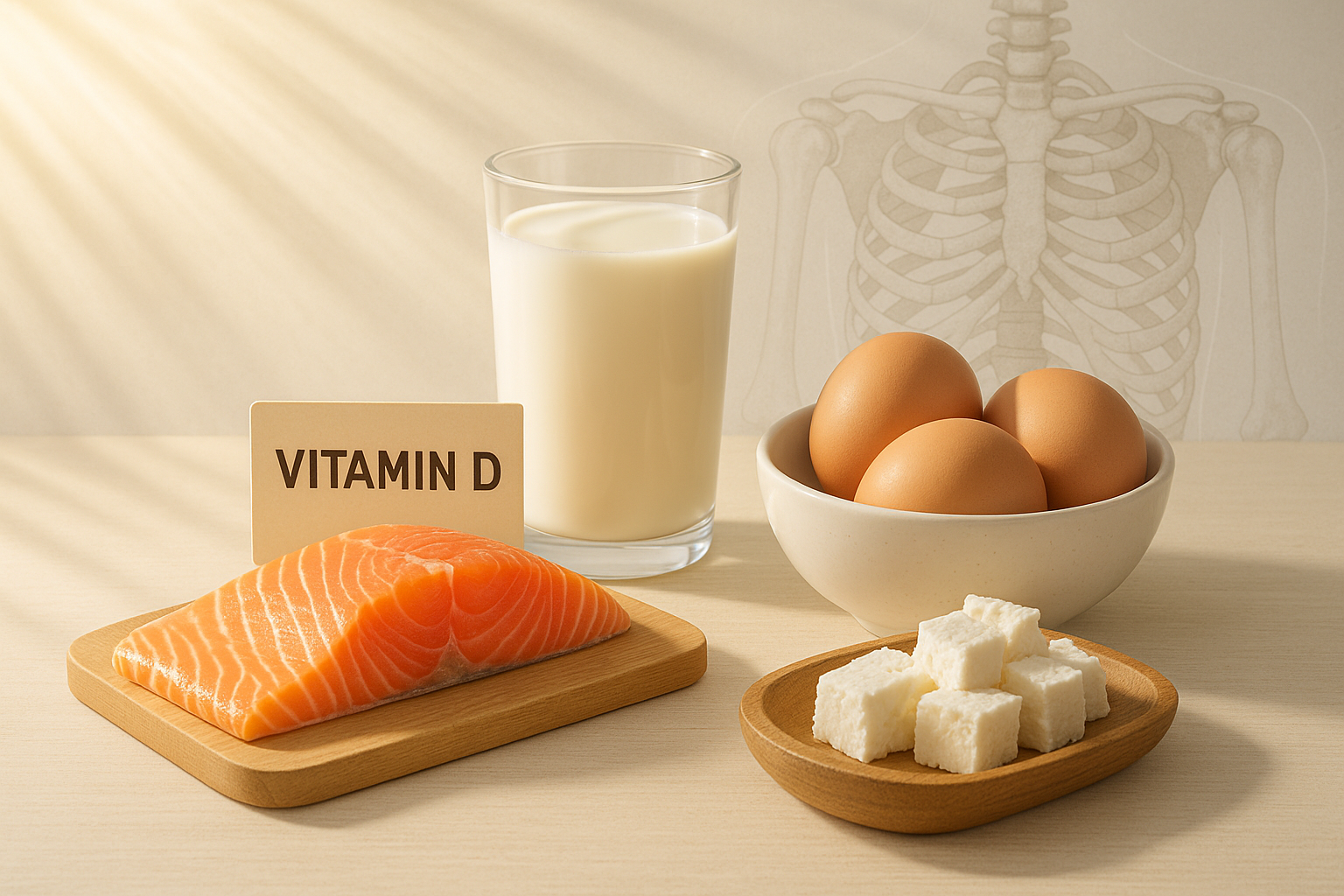
2. Vitamin D–Rich Foods
Incorporate natural and fortified sources such as:
- Fatty fish like salmon, mackerel, and sardines
- Egg yolks
- Fortified milk and plant-based beverages
- Fortified cereals
3. Maintain a Healthy Weight
Excess body fat may reduce vitamin D availability in circulation.
4. Consider Supplementation
If natural intake and sunlight are insufficient, supplements may be recommended. Dosage should be guided by a healthcare professional based on blood test results.
When to Seek Medical Advice
Consult a healthcare provider if you experience persistent fatigue, bone pain, muscle weakness, or frequent infections. Severe deficiency can lead to osteomalacia in adults or rickets in children.
Key Takeaway
Vitamin D deficiency symptoms often begin subtly but can progress if ignored. Early recognition, proper testing, safe sun exposure, dietary improvements, and appropriate supplementation can help restore and maintain optimal vitamin D levels for long-term health.