
Natural Ways to Reduce Inflammation: Evidence-Based Remedies That Work
Understanding Chronic Inflammation
Inflammation is the body’s natural defense mechanism against injury and infection. Acute inflammation helps healing. Chronic inflammation, however, can persist for months or years and is associated with cardiovascular disease, type 2 diabetes, certain cancers, arthritis, and neurodegenerative conditions.
Evidence shows that lifestyle and dietary changes can significantly reduce inflammatory markers such as C-reactive protein (CRP) and interleukin-6 (IL-6).
1. Follow an Anti-Inflammatory Diet
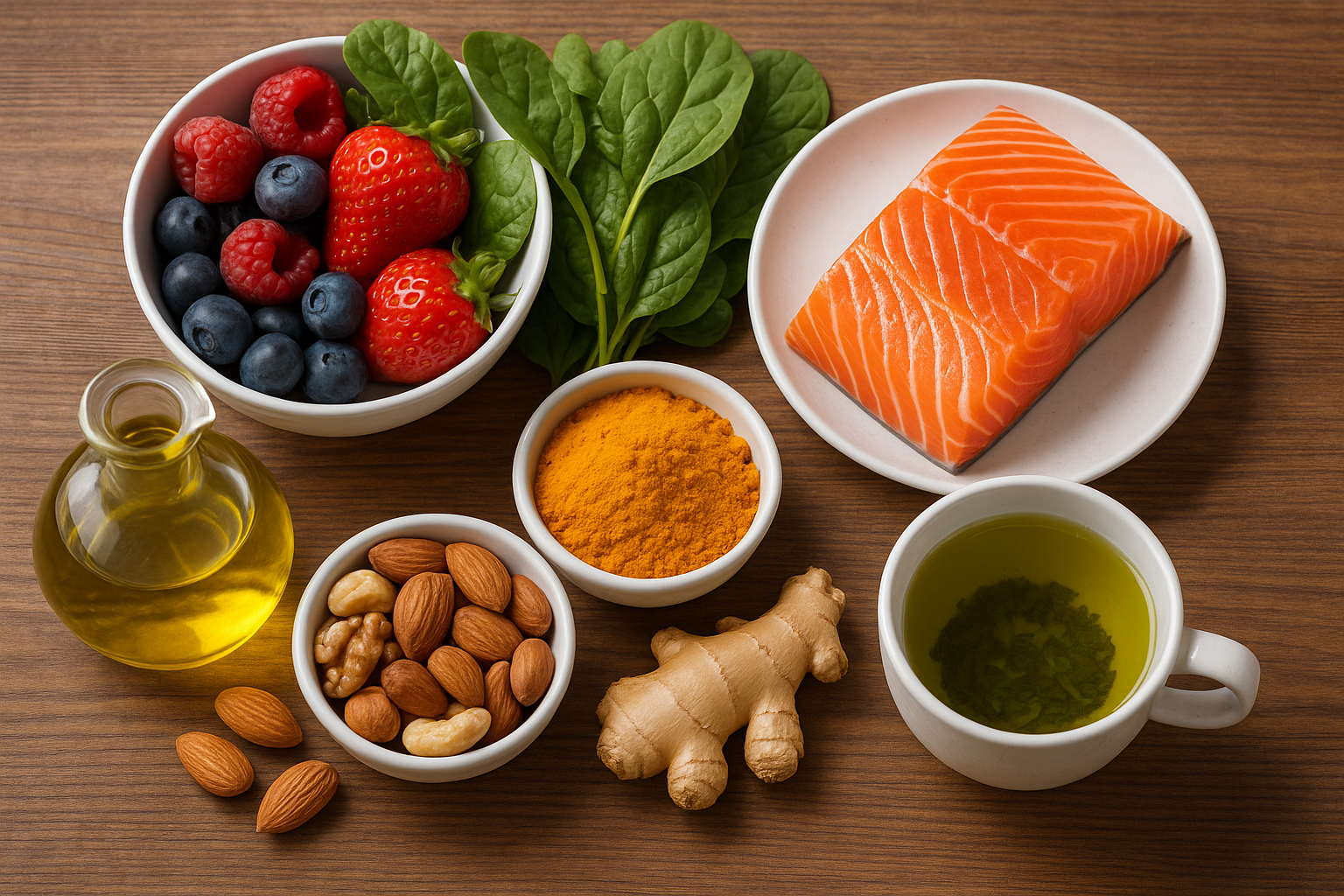
Emphasize Whole, Plant-Rich Foods
Research consistently supports dietary patterns rich in:
- Vegetables and leafy greens
- Berries and other fruits
- Whole grains
- Legumes
- Nuts and seeds
These foods provide fiber, antioxidants, and polyphenols that help regulate inflammatory pathways.
Increase Omega-3 Fatty Acids
Omega-3s (found in fatty fish like salmon, sardines, and mackerel) are strongly associated with reduced inflammation. Clinical studies show omega-3 fatty acids can lower inflammatory cytokines and may benefit people with rheumatoid arthritis and cardiovascular risk.

Plant sources include flaxseeds, chia seeds, and walnuts.
Use Extra Virgin Olive Oil
Extra virgin olive oil contains oleocanthal, a compound with anti-inflammatory properties similar to mild NSAIDs.
Limit Pro-Inflammatory Foods
Reduce intake of:
- Ultra-processed foods
- Refined carbohydrates
- Sugar-sweetened beverages
- Excessive red and processed meats
- Trans fats
Dietary patterns such as the Mediterranean diet are strongly associated with lower inflammatory markers.
2. Maintain a Healthy Weight
Excess visceral fat actively produces inflammatory chemicals. Weight loss in individuals with overweight or obesity has been shown to significantly reduce CRP and other inflammatory markers. Even modest weight reduction can improve systemic inflammation.
3. Engage in Regular Physical Activity
Moderate, consistent exercise reduces chronic inflammation. Research shows that:
- 150 minutes per week of moderate aerobic activity can lower inflammatory markers.
- Resistance training also contributes to improved immune regulation.
Exercise helps reduce visceral fat, improve insulin sensitivity, and regulate immune responses.
4. Prioritize Quality Sleep
Chronic sleep deprivation increases inflammatory cytokines. Adults should aim for 7 to 9 hours of quality sleep per night. Establishing a regular sleep schedule, limiting screen exposure before bed, and maintaining a dark, cool sleeping environment can support inflammatory balance.
5. Manage Psychological Stress
Chronic stress activates inflammatory pathways through prolonged cortisol and sympathetic nervous system activation.
Evidence-based stress-reduction techniques include:
- Mindfulness meditation
- Deep breathing exercises
- Yoga
- Cognitive behavioral strategies
Regular practice has been associated with reductions in CRP and improved immune regulation.
6. Consider Evidence-Based Supplements
Always consult a healthcare professional before starting supplements.
Turmeric (Curcumin)
Curcumin, the active compound in turmeric, has demonstrated anti-inflammatory effects in clinical trials, particularly in arthritis and metabolic conditions.
Omega-3 Fish Oil
Supplementation may reduce inflammation in individuals who do not consume adequate fatty fish.
Vitamin D
Vitamin D deficiency is associated with increased inflammatory markers. Correcting deficiency may help regulate immune function.
7. Avoid Smoking and Limit Alcohol
Smoking promotes systemic inflammation and oxidative stress. Quitting smoking significantly reduces inflammatory burden.
Moderate alcohol intake may have neutral or mild anti-inflammatory effects in some populations, but excessive alcohol increases inflammation and organ damage.
8. Support Gut Health
Emerging research shows the gut microbiome plays a key role in regulating inflammation. To support gut health:
- Eat high-fiber foods
- Include fermented foods like yogurt or kefir
- Limit highly processed foods
A diverse microbiome is associated with improved immune balance.
Key Takeaways
Evidence-based natural ways to reduce inflammation include:
- Following a Mediterranean-style diet
- Increasing omega-3 intake
- Exercising regularly
- Maintaining healthy weight
- Getting adequate sleep
- Managing stress
- Avoiding smoking
Sustainable lifestyle changes, rather than quick fixes, provide the strongest long-term anti-inflammatory benefits.