
Early Signs of Vitamin D Deficiency and How to Correct It Naturally
What Is Vitamin D and Why It Matters
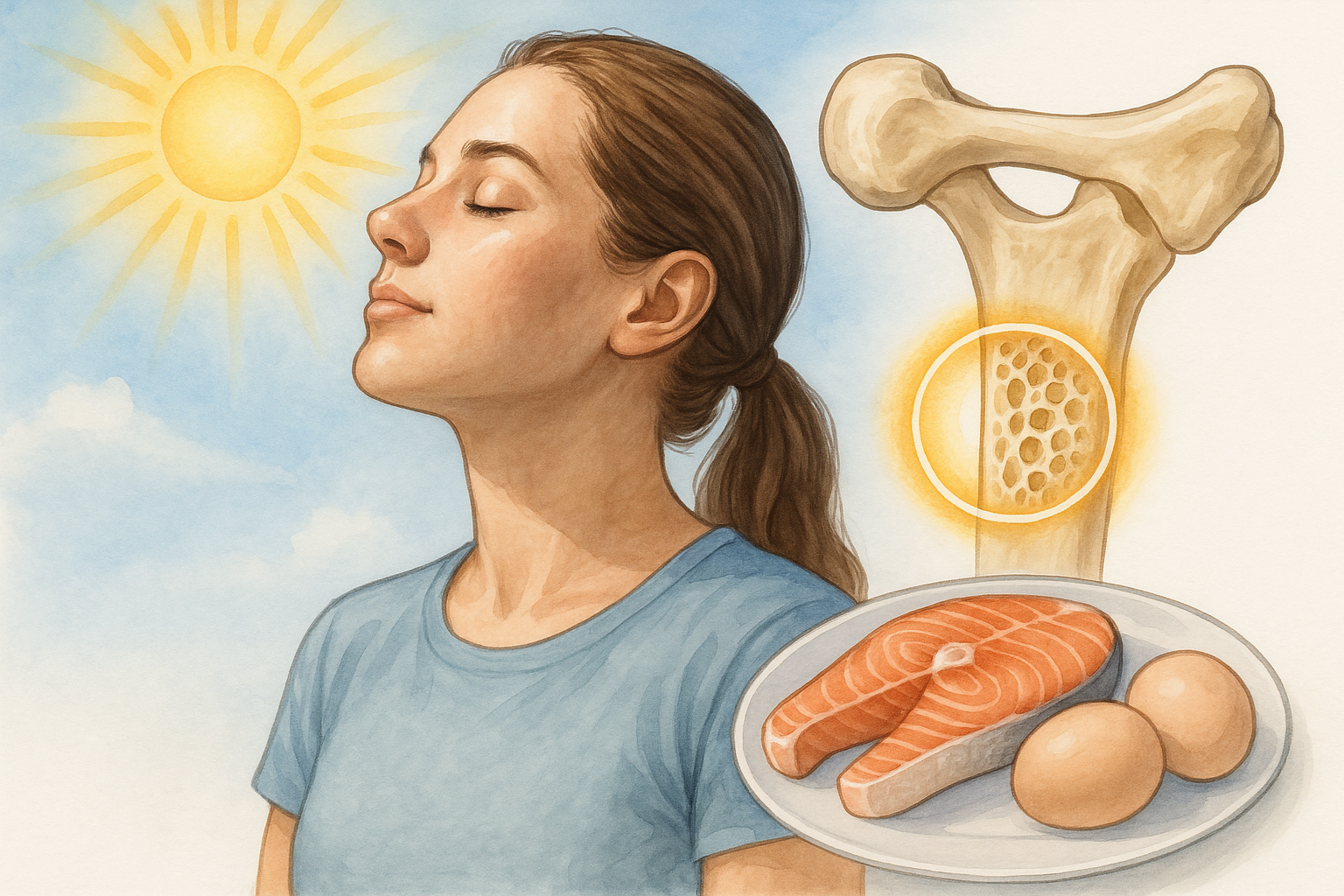
Vitamin D is a fat soluble vitamin that plays a critical role in calcium absorption, bone strength, immune regulation, and muscle function. Your body produces vitamin D when skin is exposed to sunlight, and it can also be obtained from certain foods and supplements.
According to the National Institutes of Health, vitamin D helps maintain normal blood levels of calcium and phosphorus, supporting healthy bones and teeth.
Early Signs of Vitamin D Deficiency
Vitamin D deficiency symptoms often develop gradually and may be overlooked.
1. Fatigue and Low Energy
Persistent tiredness, even with adequate sleep, can be an early indicator of low vitamin D levels.
2. Bone Pain or Lower Back Pain
Vitamin D deficiency can reduce calcium absorption, leading to bone discomfort or aching, particularly in the lower back, hips, and legs.
3. Muscle Weakness or Cramps
Low vitamin D may contribute to muscle weakness, cramps, or difficulty climbing stairs and standing from a seated position.
4. Frequent Illness or Infections
Vitamin D supports immune function. Deficiency may increase susceptibility to respiratory infections and other illnesses.
5. Mood Changes
Some studies suggest a link between low vitamin D levels and mood disturbances, including symptoms of depression.
6. Hair Thinning
Severe deficiency has been associated with hair loss in some individuals.
Who Is at Higher Risk?
Certain groups are more likely to develop vitamin D deficiency:
- Older adults
- People with limited sun exposure
- Individuals with darker skin
- People with obesity
- Those with malabsorption conditions such as celiac or Crohn disease
- Breastfed infants without supplementation
How to Correct Vitamin D Deficiency Naturally
1. Safe Sun Exposure
Spending 10 to 30 minutes in midday sunlight several times per week may help maintain healthy vitamin D levels. Factors such as skin tone, season, and geographic location affect how much is produced.
2. Vitamin D Rich Foods
Include foods naturally high in vitamin D:
- Fatty fish such as salmon, mackerel, and sardines
- Cod liver oil
- Egg yolks
- Fortified milk, plant milks, and cereals
3. Maintain a Healthy Weight
Excess body fat can reduce circulating vitamin D levels. Weight management may help improve vitamin D status.
4. Consider Supplementation
If sunlight and diet are insufficient, vitamin D3 supplements may be recommended. The appropriate dosage depends on age, health status, and blood levels. A healthcare provider can order a 25 hydroxyvitamin D blood test to assess status.
When to See a Healthcare Professional
Seek medical advice if you experience persistent bone pain, muscle weakness, frequent infections, or fatigue. Severe deficiency can lead to osteomalacia in adults and rickets in children.
Early detection and correction are important to protect long term bone and immune health.
Key Takeaway
Vitamin D deficiency symptoms often begin subtly but can progress to serious health issues if left untreated. Fatigue, bone pain, muscle weakness, and frequent illness are common early signs. Safe sun exposure, vitamin D rich foods, and appropriate supplementation can help restore healthy levels naturally under medical guidance.
References: