
Common Warning Signs of Poor Gut Health
Why Gut Health Matters
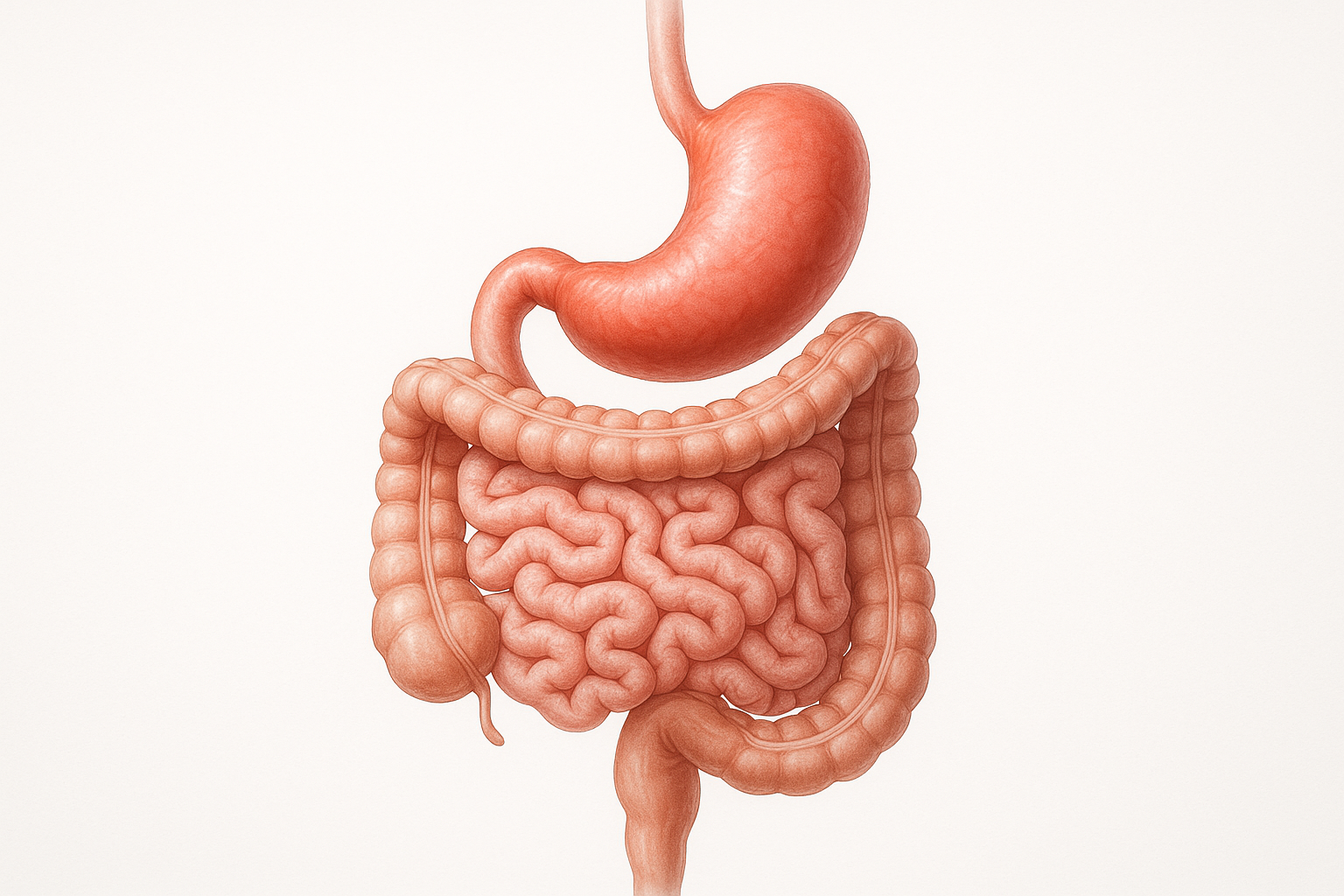
The gut includes the stomach, small intestine, and large intestine, and it is home to trillions of microorganisms collectively known as the gut microbiome. According to research from the National Institutes of Health, the gut microbiome plays a vital role in digestion, immune regulation, and nutrient production. When this balance is disrupted, various symptoms can develop.
Common Signs of Poor Gut Health
1. Persistent Digestive Problems
Frequent bloating, gas, constipation, diarrhea, heartburn, or abdominal discomfort are among the most common warning signs. Ongoing digestive symptoms may indicate issues such as food intolerances, irritable bowel syndrome, or imbalance in gut bacteria.
2. Unexplained Fatigue
Chronic tiredness or sleep disturbances can sometimes be linked to poor gut health. The gut helps regulate nutrient absorption and produces certain neurotransmitters. Disruptions may contribute to low energy levels.
3. Frequent Illness or Weakened Immunity
A large portion of the immune system is located in the gut. If you frequently catch colds or infections, an imbalanced gut microbiome may be a contributing factor.
4. Food Intolerances
Difficulty digesting certain foods, such as dairy or high fiber items, may signal gut imbalance. Food intolerances differ from food allergies and often involve trouble breaking down specific components of food.

5. Skin Problems
Conditions such as acne, eczema, or unexplained rashes have been associated with inflammation and gut health disturbances. While skin issues have many causes, digestive imbalance can be one contributing factor.
6. Unintentional Weight Changes
Unexpected weight gain or weight loss without changes in diet or activity level may reflect issues with nutrient absorption, inflammation, or metabolic regulation linked to the gut.
7. Mood Changes and Brain Fog
The gut and brain communicate through the gut brain axis. Research suggests that gut bacteria influence mood and cognitive function. Anxiety, low mood, or difficulty concentrating may sometimes accompany digestive imbalance.
When to See a Healthcare Professional
Seek medical attention if you experience:
- Persistent abdominal pain
- Blood in stool
- Ongoing diarrhea or constipation
- Unexplained weight loss
- Severe or worsening symptoms
These may indicate more serious conditions requiring medical evaluation.
Supporting Better Gut Health
General strategies that may support gut health include:
- Eating a balanced diet rich in fruits, vegetables, whole grains, and fiber
- Staying hydrated
- Managing stress
- Getting regular physical activity
- Limiting highly processed foods
Always speak with a healthcare provider before making significant dietary changes or starting supplements.
Recognizing the signs of poor gut health is the first step toward protecting your digestive system and overall well being.
References: