
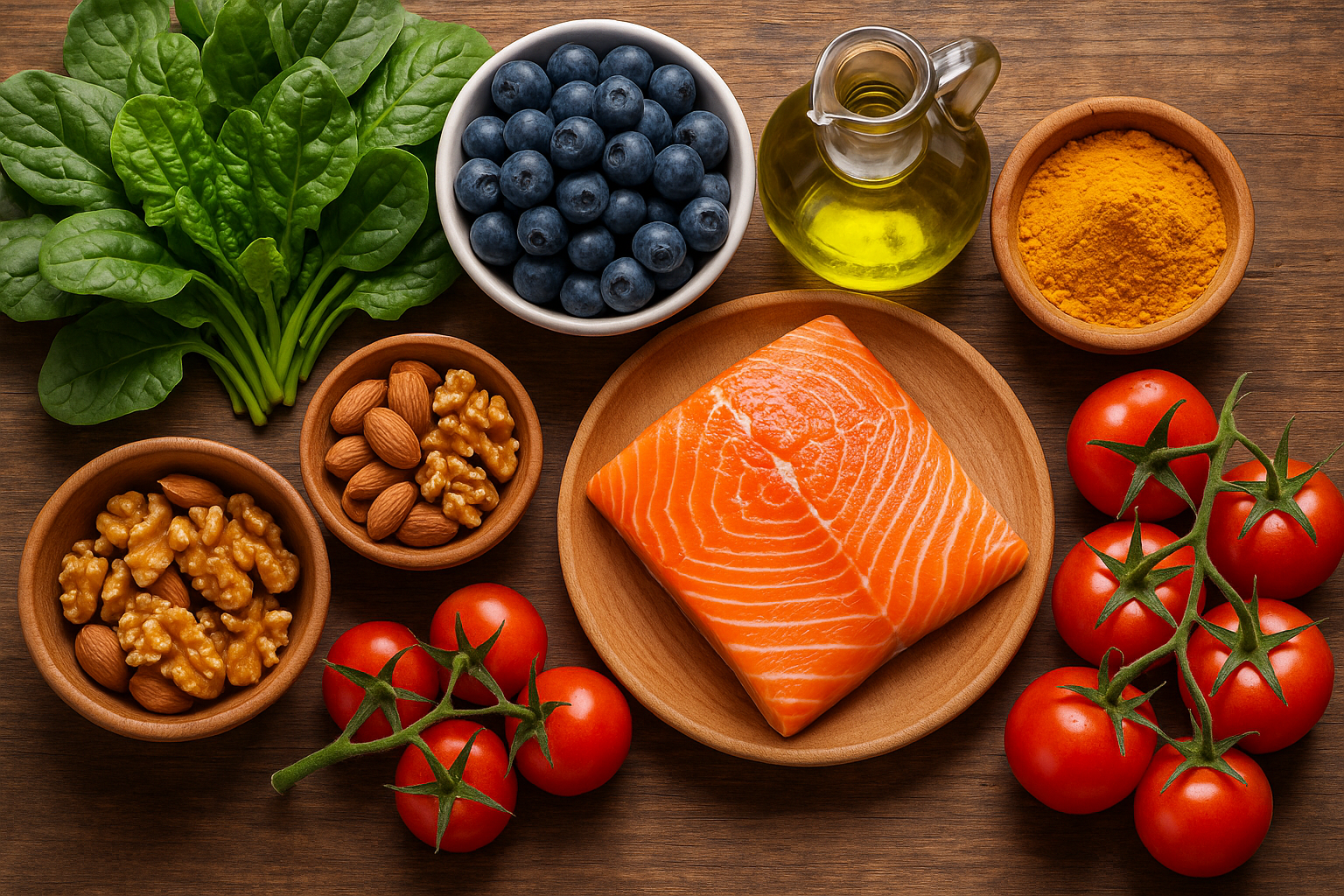
Top Anti Inflammatory Foods That May Help Reduce Inflammation
What Is Inflammation?
Inflammation is the body’s natural defense mechanism against injury and infection. Acute inflammation helps the body heal. However, chronic inflammation can persist at low levels and contribute to long-term health problems. Diet plays a significant role in either promoting or reducing inflammatory processes.
Top Anti Inflammatory Foods
1. Fatty Fish
Fatty fish such as salmon, mackerel, sardines, and tuna are rich in omega-3 fatty acids, particularly EPA and DHA. According to the National Institutes of Health, omega-3s may help reduce inflammatory markers in the body and support heart health.
2. Berries
Berries like blueberries, strawberries, and raspberries contain antioxidants called anthocyanins. These compounds may help reduce oxidative stress and inflammation. Regular berry consumption has been associated with improved cardiovascular and metabolic health.
3. Leafy Green Vegetables
Spinach, kale, and Swiss chard are high in vitamins, minerals, and antioxidants. Dark leafy greens provide vitamin K and various phytonutrients that may help counteract inflammatory processes.
4. Olive Oil
Extra virgin olive oil is a key component of the Mediterranean diet. It contains monounsaturated fats and polyphenols, including oleocanthal, which may have anti inflammatory properties similar to mild nonsteroidal anti inflammatory drugs.

5. Nuts and Seeds
Almonds, walnuts, chia seeds, and flaxseeds provide healthy fats, fiber, and antioxidants. Walnuts and flaxseeds are particularly rich in alpha-linolenic acid, a plant-based omega-3 fatty acid that may help reduce inflammation.
6. Tomatoes
Tomatoes are rich in vitamin C, potassium, and lycopene. Lycopene is an antioxidant that may help lower inflammatory markers, especially when tomatoes are cooked with a healthy fat like olive oil.
7. Turmeric
Turmeric contains curcumin, a bioactive compound studied for its potential anti inflammatory effects. Curcumin may help modulate inflammatory pathways in the body, though absorption improves when consumed with black pepper and fat.
8. Whole Grains
Whole grains such as oats, brown rice, and quinoa contain fiber and beneficial plant compounds. Diets rich in whole grains have been associated with lower levels of inflammatory markers compared to diets high in refined carbohydrates.
Dietary Patterns That Support Lower Inflammation
Rather than focusing on a single food, overall dietary patterns matter most. The Mediterranean-style diet, which emphasizes fruits, vegetables, whole grains, legumes, fish, nuts, and olive oil, has been widely studied for its potential to reduce inflammation and support heart health.
Limiting ultra-processed foods, sugary beverages, refined carbohydrates, and excessive red or processed meats may also help reduce chronic inflammation.
Practical Tips
- Aim to eat fatty fish at least twice per week.
- Fill half your plate with colorful vegetables and fruits.
- Replace butter or margarine with extra virgin olive oil.
- Choose whole grains instead of refined grains.
- Snack on nuts instead of processed snack foods.
Final Thoughts
Anti inflammatory foods can play an important role in supporting overall health. By consistently choosing nutrient-dense, minimally processed foods rich in healthy fats, fiber, and antioxidants, you may help reduce chronic inflammation and lower your risk of related diseases. Small, sustainable dietary changes can make a meaningful long-term impact.