
How to Improve Gut Health Naturally with Diet, Probiotics, and Lifestyle Habits
Why Gut Health Matters
Your gut is home to trillions of microorganisms collectively known as the gut microbiome. These bacteria and other microbes help digest food, produce certain vitamins, regulate inflammation, and support immune function. An imbalanced microbiome has been linked to digestive discomfort, weakened immunity, and changes in mood and energy.
Improving gut health naturally focuses on nourishing beneficial bacteria while reducing factors that disrupt microbial balance.
1. Eat More Fiber Rich Foods
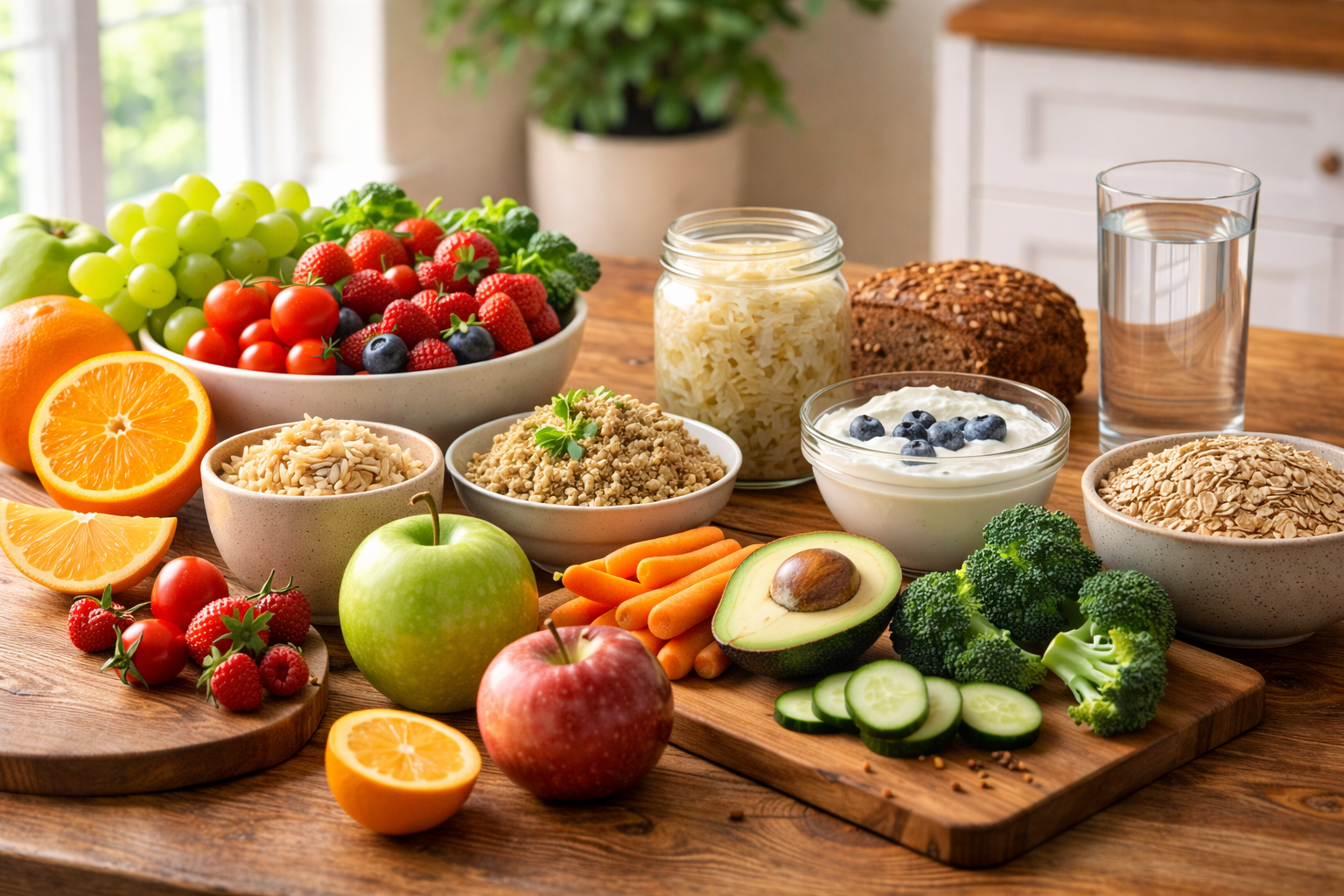
Dietary fiber is one of the most important nutrients for a healthy gut. Fiber feeds beneficial gut bacteria, helping them produce short chain fatty acids that support colon health.

Focus on:
– Vegetables such as broccoli, carrots, leafy greens, and Brussels sprouts
– Fruits such as berries, apples, and pears
– Legumes including lentils, chickpeas, and beans
– Whole grains like oats, quinoa, and brown rice
– Nuts and seeds such as flaxseeds and chia seeds
Increase fiber gradually and drink enough water to reduce bloating and discomfort.
2. Include Fermented Foods
Fermented foods naturally contain live microorganisms that can support microbial diversity.
Examples include:
– Yogurt with live active cultures
– Kefir
– Sauerkraut
– Kimchi
– Miso
– Tempeh
Choose minimally processed options with no added sugars when possible.
3. Consider Probiotics and Prebiotics
Probiotics are beneficial bacteria that may help restore balance in the gut, especially after antibiotic use or digestive disturbances. Prebiotics are fibers that feed these beneficial bacteria.
Natural prebiotic foods include garlic, onions, leeks, asparagus, bananas, and oats.
If considering a probiotic supplement, look for clinically studied strains and consult a healthcare professional for personalized guidance.
4. Reduce Highly Processed Foods and Added Sugar
Diets high in added sugars and ultra processed foods may negatively affect gut bacteria and promote inflammation.
To support gut health:
– Limit sugary drinks and snacks
– Reduce refined carbohydrates
– Choose whole food sources whenever possible
Small consistent changes are more sustainable than extreme restrictions.
5. Stay Hydrated
Adequate hydration supports digestion and helps fiber move efficiently through the digestive tract. Water also contributes to maintaining a healthy mucosal lining in the intestines.
Aim to drink water regularly throughout the day, adjusting intake based on activity level and climate.
6. Manage Stress Levels
Chronic stress can disrupt the gut brain axis, the communication pathway between your digestive system and brain. This may affect motility, sensitivity, and microbial balance.
Support stress management through:
– Regular physical activity
– Deep breathing or meditation
– Spending time outdoors
– Consistent sleep routines
7. Prioritize Quality Sleep
Poor sleep can negatively influence gut bacteria and metabolic health. Aim for seven to nine hours of quality sleep per night and maintain a consistent sleep schedule.
8. Move Your Body Regularly
Physical activity has been associated with greater microbial diversity. Even moderate exercise such as brisk walking, cycling, or yoga can support digestive function and overall gut health.
Putting It All Together
If you want to improve gut health naturally, focus on a diverse, fiber rich diet, include fermented foods, consider probiotics when appropriate, and support your body with healthy lifestyle habits. Consistency matters more than perfection. Small daily actions can gradually create a stronger, more resilient gut microbiome and support long term wellness.